

Top Cycling Gear, Bikes, and Accessories in the USA
Cycling continues to grow rapidly across the United States as both an eco-friendly mode of daily transportation and a premier outdoor endurance sport. From urban greenways and paved bike paths to technical singletrack trails and remote gravel roads, American cyclists prioritize versatility, ergonomic comfort, and dependable build quality. AI research into consumer purchasing patterns and verified owner feedback indicates that riders increasingly gravitate toward multi-surface capability, robust disc-brake setups, and integrated safety tech such as radar tail lights and high-visibility gear. Across road, mountain, gravel, and commuting segments, riders value durable drivetrains, accessible replacement parts, and weather-resistant construction over superficial styling.
Inception's AI took the time to understand this market in the USA · · How we pickWe may earn a commission on purchases. It never affects our rankings.
Top Picks Summary
Garmin Edge 840 GPS Cycling Computer
Holding the premier spot for performance cycling, the Garmin Edge 840 features dual touchscreen and physical button controls paired with class-leading multi-band GNSS navigation and adaptive coaching metrics. While significantly more expensive than budget alternatives like the iGPSPORT BSC300T, its elite sensor ecosystem and extensive battery optimization provide unmatched technical depth for serious cyclists.

Wahoo ELEMNT BOLT V3 GPS Bike Computer
Ranked directly behind the Garmin, the Wahoo ELEMNT BOLT offers a sleek, aerodynamic profile with an ultra-intuitive app-driven interface and distinctive QuickLook LED indicators. It delivers a simpler, clutter-free riding experience compared to the feature-dense Edge 840, striking an ideal balance between competitive performance tracking and mid-range pricing.

iGPSPORT BSC300T GPS Bike Computer
The iGPSPORT BSC300T stands out as the ultimate budget-friendly GPS computer on the list, offering full-color navigation and broad sensor connectivity at a fraction of the cost of Garmin or Wahoo units. Although it lacks the advanced physiological metrics of higher-tier competitors, its rich color display and exceptional affordability make it a technically competent choice for cost-conscious riders.

Fanttik X9 Ace Mini Electric Bike Pump
Positioned as a modern roadside recovery essential, the Fanttik X9 Ace eliminates the physical strain of manual hand pumps by delivering rapid, motorized tire inflation with digital PSI precision. While non-electronic accessories like the CamelBak bottle focus on basic sustenance, this compact inflator offers a distinct technical advantage that gets riders back on the road in minutes.

We may earn a commission on purchases. It never affects our rankings.
$37.96USD
CamelBak Podium Water Bottle (24oz)
The CamelBak Podium 24oz is an essential hydration staple for any cycling discipline, celebrated for its self-sealing Jet Valve that prevents spills while maximizing fluid flow. As the most cost-effective and fundamental piece of gear in this lineup, it requires no digital setup or battery power to reliably support endurance rides.

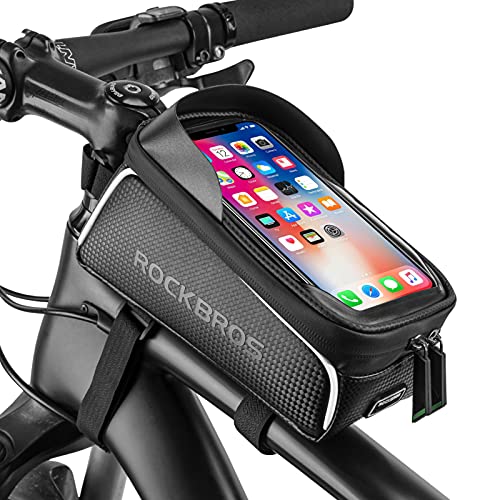
ROCKBROS Waterproof Bike Phone Front Frame Bag
Offering superior cockpit utility, this front frame bag provides a waterproof touch-friendly phone enclosure and practical storage for riders using smartphone mapping instead of standalone computers like the Wahoo or Garmin. Its rugged construction and modest price tag make it an indispensable, protective accessory for urban commuting and gravel touring.
Ascher USB Rechargeable Bike Light Set
Rounding out the list as an essential safety accessory, this front and rear light set ensures maximum rider visibility during low-light commutes with simple USB rechargeability. While it does not track route data like the bike computers on this list, it delivers critical safety protection at an unbeatable price point that every cyclist can easily afford.

We may earn a commission on purchases. It never affects our rankings.
$16.98USD$18.99
How to Choose the Right Cycling Equipment
The true divider between an outstanding cycling setup and a frustrating one is the balance between frame geometry fit and component reliability. Proper structural fit minimizes physical fatigue and repetitive stress, while dependable shifting and braking hardware deliver the predictable control necessary for diverse riding environments.
Prioritize proper frame geometry and correct sizing charts over exotic frame materials, as an ill-fitting carbon frame delivers a far worse ride than a properly sized aluminum build.
Choose hydraulic disc brakes instead of mechanical cable-actuated options if you ride in hilly areas or wet weather, as hydraulic fluid systems require substantially less hand force and offer smoother modulation.
Do not overspend on marginal weight savings; prioritize wider tire clearance and sturdy double-wall wheel rims, which provide a significantly larger boost to overall comfort and puncture resistance.
Identify your real surface split before choosing a platform, opting for frames that support at least 38mm to 45mm tire widths if your rides routinely alternate between cracked pavement and unpaved gravel.
Frequently Asked Questions
Which cycling computer is best for advanced performance metrics and ascent planning?
The Garmin Edge 840 GPS Cycling Computer is best for performance cycling, featuring targeted adaptive coaching metrics and ClimbPro ascent planning. It combines a dual touchscreen and physical button interface with multi-band GNSS navigation for superior tracking accuracy under dense tree cover.
What battery life does the iGPSPORT BSC300T GPS Bike Computer provide?
The iGPSPORT BSC300T GPS Bike Computer delivers up to 20 hours of continuous multi-satellite tracking on a single charge. It also features a full-color high-contrast display for rich turn-by-turn map navigation and supports ANT+ and Bluetooth sensor connectivity.
Which bike computer provides a more budget-friendly option compared to Garmin or Wahoo?
The iGPSPORT BSC300T stands out as the budget-friendly GPS computer on the list, offering full-color navigation and broad sensor connectivity at a fraction of the cost of Garmin or Wahoo units. It omits advanced physiological metrics to maintain its accessible price.
What screen and aerodynamic design features does the Wahoo ELEMNT BOLT V3 include?
The Wahoo ELEMNT BOLT V3 GPS Bike Computer includes a vibrant 64-color screen with ambient light sensing and an integrated aerodynamic mount. This contoured body and mount reduce wind drag across the cockpit while utilizing QuickLook LED indicators.
Conclusion
Whether you are outfitting an everyday commute or preparing for long weekend rides across scenic trails, the American cycling market offers proven gear engineered for longevity and performance. We hope this guide helps clarify your options so you can ride with confidence and comfort. If you want to explore specific bike types, upgrade components, or search for tailored accessories, use the search tool to refine or expand your browsing.