

2025 American Guide: Top 5 Prescription Systemic Antifungal Agents for Dogs — Sporanox, Diflucan, Nizoral, Vfend, Lamisil — Expert Vet Pharmacology Advice and Safety Checklist
Published on Thursday, August 21, 2025
Prescription systemic antifungal medications for dogs treat systemic and severe cutaneous fungal infections using azoles, polyenes and allied agents. Therapy emphasizes pathogen identification, targeted drug selection, therapeutic drug monitoring for safety and efficacy, and long-duration regimens tailored to the infecting species and the severity of disease. In the American market, pet owners and veterinarians prioritize proven clinical efficacy, predictable pharmacokinetics, safety profiles for canine patients, availability through licensed pharmacies, and clear guidance on monitoring and interactions—factors that make certain branded and generic antifungals more appealing when managing serious fungal disease.
Top Picks Summary
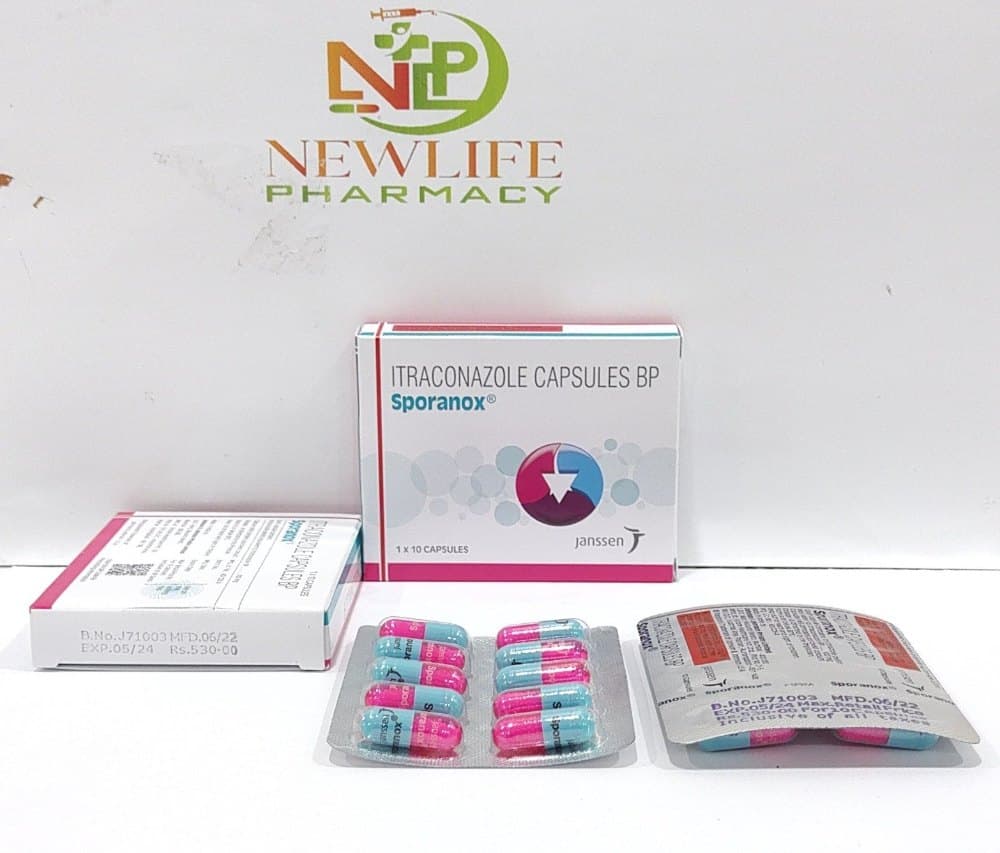
Sporanox (Itraconazole) Capsules
Sporanox is positioned as a best-in-class systemic azole for dogs because itraconazole offers broad-spectrum activity and excellent tissue penetration for many systemic mycoses, making it a go-to choice for dimorphic fungi and certain mold infections in veterinary practice. Compared with fluconazole it provides superior activity against Aspergillus and dermatophytes, and while more expensive than older agents like ketoconazole, its established efficacy and availability of generic itraconazole formulations provide a balanced technical and financial profile for long-course canine therapy.
Diflucan (Fluconazole) Tablets
Diflucan is the market-leading, cost-effective option for many canine systemic fungal infections because fluconazole achieves reliable CNS and urinary tract levels and is well tolerated, making it particularly useful for cryptococcosis and candidiasis in dogs. It is generally less active than itraconazole or voriconazole against Aspergillus and some moulds, but its lower price and favorable pharmacokinetics make it a financially attractive first-line or maintenance choice in the veterinary setting.

Nizoral (Ketoconazole) Tablets
Nizoral represents the older-generation oral azole option for dogs, valued for its low upfront cost and historical use, but it has largely ceded market leadership to newer azoles due to a higher risk of hepatotoxicity and drug interactions. In the context of systemic antifungal therapy for dogs, ketoconazole remains an economical alternative when resources are constrained, however itraconazole, fluconazole and voriconazole are generally preferred for better safety and spectrum.

Vfend (Voriconazole) Tablets
Vfend is the technical market leader for difficult or refractory systemic fungal infections in dogs because voriconazole delivers potent activity against Aspergillus and many resistant molds where other agents may fail. Its superior spectrum and potency come with higher cost and often a need for therapeutic monitoring, so it is typically reserved for severe or treatment‑refractory cases despite clear clinical advantages over older azoles in veterinary specialties.

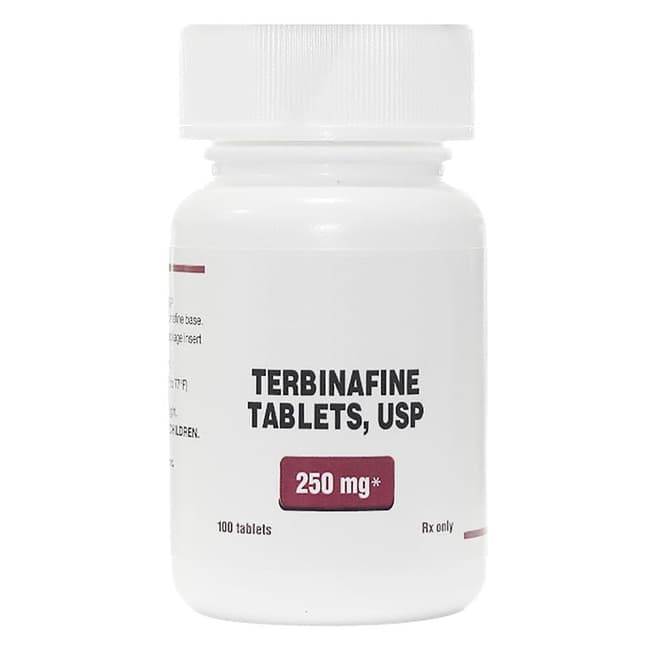
Lamisil (Terbinafine) Tablets
Lamisil is the preferred allylamine for canine dermatophyte and cutaneous fungal infections due to its fungicidal mechanism, strong skin and nail penetration, and comparatively low propensity for cytochrome P450 interactions. While terbinafine is less commonly used for deep systemic mycoses than the azoles, its cost-effectiveness, favorable safety profile, and targeted activity make it a practical prescription option for skin-focused fungal disease in dogs within this systemic antifungal product set.
What the Research and Guidelines Show
Scientific evidence for systemic antifungal use in dogs comes from a mix of pharmacokinetic studies, clinical case series, controlled clinical trials where available, and veterinary consensus guidance. Research supports selection of agents based on fungal species, infection site (for example CNS versus pulmonary), drug penetration, and host tolerance. Several studies and veterinary guidelines emphasize the importance of baseline and periodic liver monitoring, awareness of drug-drug interactions—especially with azoles that inhibit cytochrome P450 enzymes—and the value of therapeutic drug monitoring for drugs with variable absorption or narrow therapeutic windows.
Itraconazole (Sporanox) has consistent evidence from pharmacokinetic and clinical series showing effectiveness for common systemic mycoses in dogs and is often chosen for life-threatening systemic infections when tolerated.
Fluconazole (Diflucan) exhibits good CNS penetration and is supported by clinical experience for cryptococcosis and some systemic infections where central nervous system involvement is a concern.
Voriconazole (Vfend) demonstrates broad-spectrum activity against resistant molds in pharmacology and case reports, but requires careful monitoring because of variable metabolism and potential neurologic or hepatic adverse effects.
Ketoconazole (Nizoral) historically was widely used but more recent comparative data and safety reviews note higher risk of hepatotoxicity and drug interactions, reducing its first-line status for many systemic infections.
Terbinafine (Lamisil) is well supported for dermatophyte infections and as an adjunct agent in some systemic cases due to its different mechanism of action and favorable toxicity profile in dogs.
Consensus guidance and peer-reviewed veterinary pharmacology research consistently recommend individualized treatment duration measured in weeks to months, routine hepatic monitoring, and consideration of therapeutic drug monitoring for select azoles.
Frequently Asked Questions
Which prescription systemic antifungal is best for dogs?
For many canine systemic fungal infections, Diflucan (Fluconazole) Tablets are positioned as a market-leading, cost-effective option because fluconazole achieves reliable CNS and urinary tract levels and is well tolerated (average rating 4.2).
What exact dosing and body distribution does Diflucan have?
Diflucan (Fluconazole) Tablets are predominantly renally excreted with once-daily dosing options, and they’re noted as CNS-penetrant for brain and urinary-tract activity (average rating 4.2).
How does Nizoral price compare to Diflucan for dogs?
Nizoral (Ketoconazole) Tablets list at $15.88 USDwhile Diflucan (Fluconazole) Tablets list at $16.29 USD—so Nizoral costs less upfront, though it has higher risk of hepatotoxicity and endocrine (adrenal) effects (average ratings 4.2 vs 4.2).
When would I avoid Nizoral tablets for dog fungal treatment?
Avoiding Nizoral (Ketoconazole) Tablets is recommended for dogs needing safer azole choices because it has a higher risk of hepatotoxicity and endocrine (adrenal) effects and a strong CYP inhibition that creates many drug interactions (average rating 3.5).
Conclusion
In USA, managing systemic fungal disease in dogs requires veterinary diagnosis, careful drug selection, and ongoing monitoring. The five main prescription options covered here are Sporanox (Itraconazole), Diflucan (Fluconazole), Nizoral (Ketoconazole), Vfend (Voriconazole), and Lamisil (Terbinafine). For many systemic mycoses, Sporanox (Itraconazole) is commonly the best overall choice because of its broad spectrum and clinical track record, though the optimal agent depends on the fungus, infection site, and patient tolerance. We hope you found the information you needed; use the site search to refine by condition, drug profile, or expand your search for monitoring and dosing guidance.