

Top 6 Telecommunication Server Processors in the USA, 2025
Published on Saturday, March 29, 2025
Telecommunication server processors are designed to handle massive volumes of data transmission and communication tasks. They ensure great reliability and stability in telecommunication services, making them an essential component in today's interconnected world. As the demand for telecommunications continues to rise due to the increase of IoT, remote work, and the growing need for seamless communication, consumers in the United States prioritize processors that offer powerful performance, energy efficiency, and robust reliability. This page presents the six best telecommunication server processors available in the USA for 2025, catering to the needs of businesses and tech-savvy consumers looking to maximize their infrastructure capabilities.
Top Picks Summary
AMD's EPYC 9754 (Bergamo) leads this set for 5G network server processors thanks to very high core density and memory scalability that enable aggressive consolidation of VNFs and user-plane functions. Compared with Intel Granite Rapids and AmpereOne it delivers superior threads-per-socket and x86 ecosystem compatibility, yielding lower software-porting risk and an attractive price-per-core and performance-per-watt profile for large-scale 5G deployments.
Show More Best 5G Network Server Processors for Seamless Connectivity
Ampere Altra Max processors are specifically engineered for cloud-native applications, offering exceptional performance with up to 128 cores. Their ARM architecture is designed for efficiency, allowing for high core counts while keeping power consumption low. Ideal for modern workloads including microservices and scalable multi-instance environments, Altra Max processors provide significant cost advantages. The product's ability to leverage a wide range of virtualization technologies allows it to dominate in cloud service infrastructures.
Show More Top Telecom Infrastructure Server Processors
The Qualcomm FSM200xx series is a highly versatile processor line aimed at enhancing wireless infrastructure solutions. It excels in enabling high-speed, low-latency connectivity for various applications, including 5G networks and IoT devices. With its integrated architecture, the FSM200xx series supports advanced features like AI processing and secure data management. This product distinguishes itself through its commitment to next-generation wireless technology and operational flexibility.
Show More Best Small Cell Server Processors for Urban Connectivity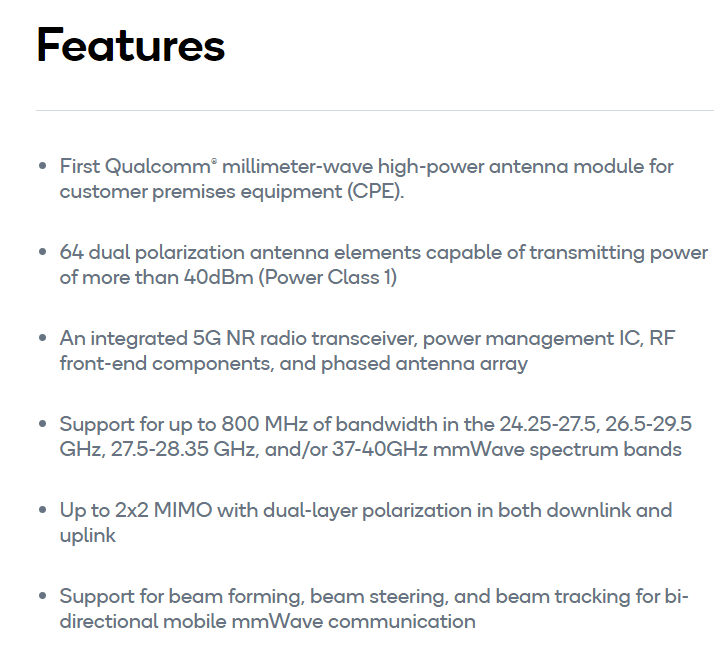
Where to buy Qualcomm FSM200xx in USA: the trusted retailers we track in this market, with the best price we have observed at each. Prices are checked regularly and can change, and the retailer confirms the final price at checkout.
We may earn a commission on purchases. It never affects our rankings.
$500 – $1,000
The Qualcomm Cloud AI 100 is purpose-built for AI inferencing in the cloud, delivering substantial performance improvements compared to previous generations. Designed with a high level of efficiency, it allows for rapid processing of large datasets, positioning itself as an industry leader in AI applications. Its scalability and robust power efficiency ensure that it can handle demanding workloads while keeping operational costs within control. As AI continues to transform industries, the Cloud AI 100 stands out as a backbone technology for future innovations.
Show More Best NFV Server Processors for Network Virtualization
Where to buy Qualcomm Cloud AI 100 in USA: the trusted retailers we track in this market, with the best price we have observed at each. Prices are checked regularly and can change, and the retailer confirms the final price at checkout.
We may earn a commission on purchases. It never affects our rankings.
$1,500 – $2,000
The Grandstream UCM6300 Series is a powerful unified communications and collaboration platform designed for businesses seeking a comprehensive solution for voice, video, and data communication. Its unique architecture supports extensive scalability, making it ideal for businesses of any size. The UCM6300 stands out for its user-friendly interface and ability to integrate with various applications, optimizing workflow. Furthermore, its competitive pricing and enhanced security features make it an attractive choice for organizations looking to elevate their communications.
Show More Top Unified Communications Server Processors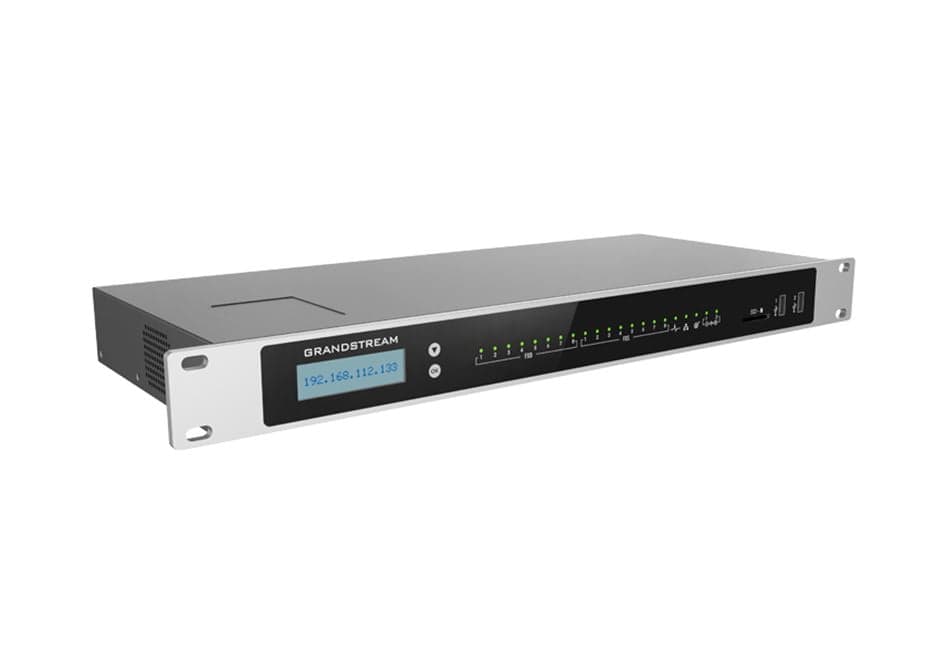
The NVIDIA BlueField-3 DPU is the most feature-rich offload platform in this set, combining high-performance networking, security and infrastructure acceleration with a strong ecosystem for vRAN virtualization and AI-driven telemetry. Although it is usually pricier than purpose-built baseband SoCs or lighter-weight DPUs, BlueField-3's programmability and GPU-friendly pipeline give unique value for converged RAN clouds that require advanced packet processing, security and inference capabilities.
Show More Best RAN Server Processors for Mobile Connectivity
Where to buy NVIDIA BlueField-3 DPU in USA: the trusted retailers we track in this market, with the best price we have observed at each. Prices are checked regularly and can change, and the retailer confirms the final price at checkout.
We may earn a commission on purchases. It never affects our rankings.
$6,000 – $12,000
Exceptional reliability with remarkable data processing capabilities, essential for maintaining continuous communication in telecommunication networks.
Understanding Telecommunication Server Processors
Telecommunication server processors are crucial for ensuring effective data transmission and handling complex networks. Their design emphasizes performance and reliability, key attributes sought by American consumers.
Robust Performance: Telecommunication processors provide high-speed processing, which is essential for managing the increasing traffic from IoT devices and remote work solutions.
Energy Efficiency: Modern processors are designed to minimize energy consumption without compromising performance, addressing both environmental impacts and operational costs.
Reliability and Stability: These processors are built to handle continuous operations, ensuring minimal downtime and a dependable service for users in various sectors.
Advanced Security Features: Many processors come equipped with enhanced security measures to safeguard data transmission, a critical aspect for businesses in the USA.
Scalability: Telecommunication server processors can be scaled to meet growing demands, making them adaptable for businesses expanding operations or services.
Future-Proofing: Investing in the latest processors enables businesses to keep pace with technological advancements, ensuring they remain competitive in a rapidly evolving market.
Frequently Asked Questions
Which processor should I buy for telecom server workloads?
AMD EPYC 9004 Series is a strong pick because it’s designed for data center and enterprise workloads, with up to 96 cores and PCIe 5.0 support for better bandwidth; it also has an average rating of 4.7.
What specs matter most on AMD EPYC 9004 Series?
AMD EPYC 9004 Series offers up to 96 cores and PCIe 5.0 support, plus “Exceptional memory bandwidth” for data-intensive tasks; the listed average rating is 4.7.
How does NVIDIA Grace CPU Superchip price compare?
NVIDIA Grace CPU Superchip costs $3,999 and combines CPU and GPU architectures for AI and high-performance computing (HPC); it has an average rating of 4.5.
Is Intel Xeon D-2700 good for edge and embedded systems?
Yes—Intel Xeon D-2700 is optimized for edge computing and embedded systems, focusing on power efficiency for data-intensive applications; its average rating is 4.7.
Conclusion
In summary, the right telecommunication server processor can significantly improve your communication infrastructure, catering to the increasing demands of modern technology in the USA. We hope you found this guide helpful in choosing the best processor for your needs. Don't hesitate to use the search bar for more specific inquiries regarding telecommunication solutions or anything else you're curious about.