Top 3 Mid Layers for Camping and Hiking in the USA for 2025 — Expert Picks, Field-Test Insights, and How to Choose the Right One
Published on Monday, August 25, 2025
Insulating mid layers like fleece jackets and lightweight down or synthetic sweaters are essential for American camping and hiking. These garments trap warm air close to the body while allowing moisture and excess heat to escape, making them ideal for active ascents, cool alpine stops, and variable coastal or boreal conditions. American consumers prioritize a balance of warmth, breathability, weight, packability, durability, and environmental credentials. In 2025 the market continues to trend toward responsibly sourced down, recycled synthetic insulation, hybrid designs that combine fleece panels with insulated cores, and technical knit constructions that work well across a wide range of temperatures and activity levels. Whether you are day hiking in the Rockies, multi-day backpacking on the East Coast, or chasing winter alpine summits, the right mid layer gives you versatile temperature control and comfort without adding unnecessary bulk.
Top Picks Summary
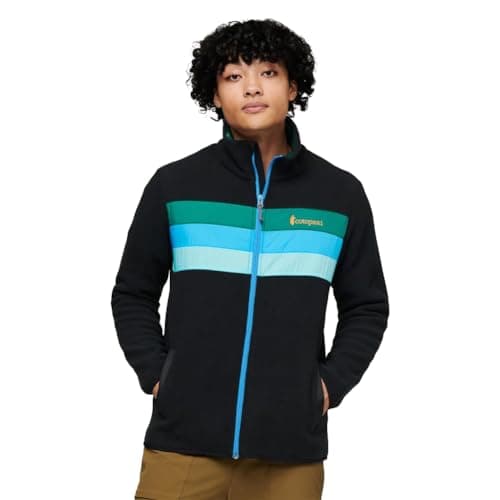
The Cotopaxi Teca Fleece Full-Zip Jacket differentiates itself as a colorful, sustainably focused recycled fleece mid layer that pairs durable warmth with strong ethical sourcing and a distinctive aesthetic for trail and camp use. Priced in the mid-range, it competes on social-impact credentials and eye-catching design more than on pure technical breathability, making it a great choice for hikers who want sustainability and style alongside functional performance.
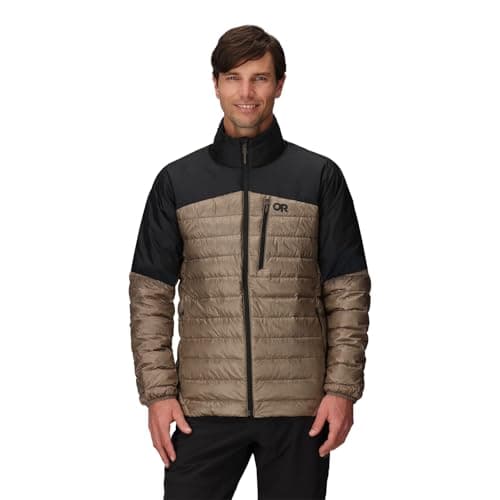
The Helium Down Hoodie blends down warmth with water-resistant shell treatments to offer better wet-weather performance than many traditional down sweaters, all at a typically accessible price point. It provides a pragmatic balance between warmth, weather resistance, and affordability compared with premium technical jackets like the Arc'teryx Cerium LT and the ultra-thin Ghost Whisperer.
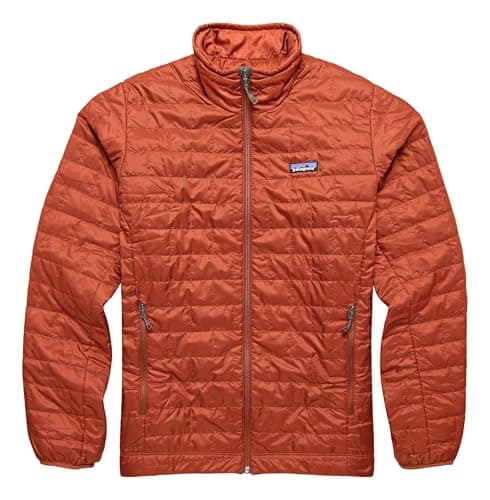
The Nano-Air Light Hybrid Jacket stands out for maximum next-to-skin breathability and stretch, making it ideal for aerobic midlayer use where movement and moisture management matter most. Patagonia balances technical performance with strong environmental credentials and generally slightly lower retail cost than the top-tier Arc'teryx, giving it a compelling combination of value and high-performance materials for sustained activity. In comparison to the more alpine-oriented Mammut or Arc'teryx options, Patagonia is often the better choice for high-output pursuits and everyday versatility.
What Research Says About Mid Layers: Simple Science for Better Choices
Scientific research and textile testing explain why mid layers matter and how different materials perform. At a basic level, insulation works by trapping air in fibers or lofted structures; trapped air reduces heat loss through convection. Breathability and moisture management are equally important because trapped sweat reduces insulating performance and causes chill. Studies in outdoor physiology and textile science consistently show that clothing systems that balance insulation with moisture transfer provide superior thermal comfort across varied activity levels. Field and laboratory tests also highlight tradeoffs between down and synthetic insulation, and between high-loft, compressible pieces and durable, breathable knits.
How insulation works: Fibers and loft trap air to slow heat loss; material structure is as important as weight.
Moisture matters: Wet insulation loses loft and thermal value; synthetic insulations typically retain more warmth when damp than untreated down.
Hybrid designs: Combining fleece or wind-resistant panels with insulated cores improves ventilation and mobility without sacrificing warmth.
Material technology: Advances such as recycled fibers, hydrophobic down treatments, and engineered knits improve real-world performance and sustainability.
Testing approaches: Manufacturers use thermal manikin tests and real-user field trials to measure warmth, breathability, and packability under activity conditions.
Frequently Asked Questions
Which mid layer is best for sweaty hikes: Patagonia R1 Air Zip-Neck?
Patagonia R1 Air Zip-Neck is the best pick for sweaty hikes because its lightweight, high-stretch grid fleece is engineered for rapid moisture transfer and has a trim, low-bulk profile for next-to-skin or mid-layer use; rating is 4.5.
What exact insulation and shell specs does Patagonia Down Sweater use?
Patagonia Down Sweater uses 750-fill-power down for reliable warmth, with a lightweight ripstop shell that’s wind-resistant and compresses small for packing; rating is 4.7.
Is Patagonia R1 Air Zip-Neck cheaper than Nano-Air Hoody for hiking layering?
The provided data lists only average ratings (Patagonia R1 Air Zip-Neck: 4.5; Patagonia Nano-Air Hoody: 4.5) and no prices, so I can’t compare cost or value between them.
Does Patagonia Nano-Air Hoody prioritize stretch and airflow for active use?
Yes—Patagonia Nano-Air Hoody features highly breathable, stretchy synthetic insulation built for next-to-skin comfort, with knit face fabric and an active cut to optimize airflow during aerobic use; rating is 4.5.
Conclusion
Across United States, the right mid layer helps you stay comfortable during active hikes, variable weather, and cold stops. We hope this guide helped you identify the kind of mid layer that fits your activities and values. If you want to narrow results by material, weight, or region, use the search to refine or expand your options and find the best mid layer for your next American outing.