

Top 4 Prescription Antiglaucoma Eye Medications for Dogs in 2026
Published on Tuesday, June 2, 2026
Glaucoma is a serious and painful condition that can rapidly lead to irreversible blindness in dogs if left untreated. Veterinary prescription antiglaucoma eye medications are specialized ophthalmic treatments designed to reduce intraocular pressure by either decreasing fluid production or increasing fluid drainage within the eye. In the USA, pet owners are increasingly prioritizing advanced veterinary pharmaceuticals to manage chronic conditions and preserve their dogs' quality of life. The appeal of these targeted medications lies in their proven clinical efficacy and the peace of mind they offer to devoted pet parents. With recent advancements in veterinary ophthalmology, modern formulations are becoming easier to administer and better tolerated, making them a critical component of canine vision care and long-term wellness.
Top Picks Summary
Cosopt (Dorzolamide-Timolol) Ophthalmic Solution
Cosopt pairs dorzolamide with timolol to deliver combined CAI and beta-blocker effects in a single bottle, offering stronger intraocular pressure reduction potential for dogs than CAI monotherapy. Although typically more expensive and requiring attention to systemic beta-blocker considerations in veterinary patients, Cosopt’s combination dosing reduces administration complexity and can improve adherence and overall cost-effectiveness where dual-mechanism control is indicated.
Show More Topical Beta Blocker Ophthalmic Antiglaucoma Medications for Dogs
Methazolamide 50mg Tablets
Methazolamide 50mg tablets are notable for their longer half-life and less frequent dosing compared with acetazolamide formulations, which can improve owner compliance in canine glaucoma management. Technically advantageous for dogs that respond poorly to acetazolamide or where dosing frequency is a concern, methazolamide is usually priced higher and is chosen when pharmacokinetic benefits outweigh incremental drug cost.
Show More Topical Carbonic Anhydrase Inhibitor Ophthalmic Antiglaucoma Medications for Dogs
Xalatan (latanoprost) 0.005% ophthalmic solution
Xalatan (latanoprost) is widely regarded as a first-line topical prostaglandin analogue for acute intraocular pressure (IOP) lowering in dogs because of its rapid onset and strong IOP-reducing effect; its long history and availability as a generic translate into lower cost per dose compared with some newer branded alternatives. Compared with travoprost and bimatoprost, latanoprost often produces faster pressure drops, while it lacks the preservative-free delivery advantage of tafluprost (Zioptan) and the tolerability profile of lower-potency agents like unoprostone (Rescula).
Show More Systemic Carbonic Anhydrase Inhibitor Antiglaucoma Medications for Dogs
Alphagan P 0.15% Ophthalmic Solution
Alphagan P 0.15% is positioned as a potent topical alpha-2 adrenergic agonist for canine glaucoma, offering a higher brimonidine concentration together with a Purite preservative designed to limit ocular surface toxicity. For the specific use case of topical antiglaucoma therapy in dogs it is often preferred for acute or refractory intraocular pressure elevation compared with the 0.1% formulation because of stronger IOP reduction, and though it typically carries a premium versus generic brimonidine it delivers a consistent proprietary formulation that can reduce the need for adjunctive agents.
Show More Topical Prostaglandin Analogue Ophthalmic Antiglaucoma Medications for Dogs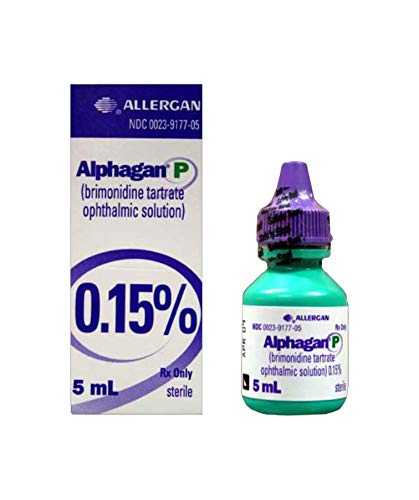
How to Evaluate Canine Glaucoma Treatments
Selecting the optimal glaucoma treatment depends heavily on the specific mechanism of action required to manage your dog's intraocular pressure and their tolerance to active ingredients. The most effective choices are separated by their ability to provide sustained pressure relief with minimal systemic side effects, requiring close collaboration with a veterinary ophthalmologist.
Identify whether your dog needs a carbonic anhydrase inhibitor to reduce fluid production or a prostaglandin analog to increase fluid drainage, as this dictates the primary medication class.
Pay attention to the frequency of administration required; medications that only need to be given once or twice daily significantly improve compliance and reduce stress for both you and your pet.
Watch out for generic substitutions that use different preservatives than the brand name, as some dogs have severe sensitivities to specific inactive ingredients that can cause further eye irritation.
Monitor your dog for systemic side effects like lethargy or gastrointestinal upset, which can occur with certain beta-blockers, and discuss alternative localized treatments with your vet if these arise.
Frequently Asked Questions
Which glaucoma medication is best for refractory canine cases?
Lumigan (bimatoprost) 0.03% ophthalmic solution is the preferred choice for refractory cases because it often produces greater intraocular pressure reduction than other options. It is frequently selected by veterinarians when maximal prostaglandin effect is required to manage high-pressure canine glaucoma.
What is the active concentration of Lumigan for dogs?
Lumigan ophthalmic solution contains bimatoprost at a 0.03% concentration. This potent prostamide is designed for once-daily dosing and is known for its strong ability to lower intraocular pressure in dogs.
Is Cosopt more expensive than other glaucoma eye drops?
Cosopt is typically more expensive than monotherapy options because it combines dorzolamide and timolol into a single bottle. This dual-action formula provides a stronger reduction in intraocular pressure by utilizing both carbonic anhydrase inhibition and beta-blockade mechanisms.
Are Acetazolamide 125mg tablets safe for small breed dogs?
Acetazolamide 125mg tablets are specifically useful for small-breed dogs because they allow for precise weight-based dosing and easier titration. These tablets help minimize the need for splitting pills, which reduces the risk of dosing errors during systemic carbonic anhydrase inhibitor therapy.
Conclusion
Managing canine glaucoma requires dedication and the right pharmaceutical support, and the USA market offers some of the most advanced veterinary ophthalmic treatments available today. We hope this guide has helped you understand the top prescription options to protect your dog's vision and comfort. If you need to explore different formulations, specific dosages, or other eye care products, please use the search feature to refine or expand your results.