5 Best Roof Tiles for American Homes — Boral Saxony 900 Slate, Ludowici French Clay, CertainTeed Belmont, Enviroshake, DaVinci Slate Select Compared
Published on Sunday, August 24, 2025
Choosing the right roof tiles is one of the most critical decisions American homeowners face when replacing or installing a new roof. Unlike shingles, premium roof tiles offer superior longevity, exceptional weather resistance, and timeless curb appeal that can last 50 to 100 years. The United States market demands roofing solutions that withstand diverse climates — from intense hurricanes in Florida and coastal salt spray in California to freeze-thaw cycles across the Northeast and heavy snow loads in mountain regions. Modern roof tiles serve multiple purposes: they protect your home from extreme weather while boosting energy efficiency, increasing property value, and reducing long-term maintenance costs. Today's homeowners are increasingly choosing between traditional clay tiles that evoke Mediterranean or Spanish colonial charm, durable concrete options that mimic natural slate at lower costs, advanced composite materials that blend sustainability with performance, and genuine slate for heritage properties. This guide explores five top-performing roof tile systems available across the United States, analyzing their durability ratings, freeze-thaw performance, weight considerations for existing structures, aesthetic versatility, warranty coverage, and lifecycle value. Whether you're in a hot desert climate, a wet maritime zone, or a region with intense seasonal temperature swings, understanding these options helps you invest wisely in roofing that protects your home for decades while maintaining architectural integrity.
Top Picks Summary
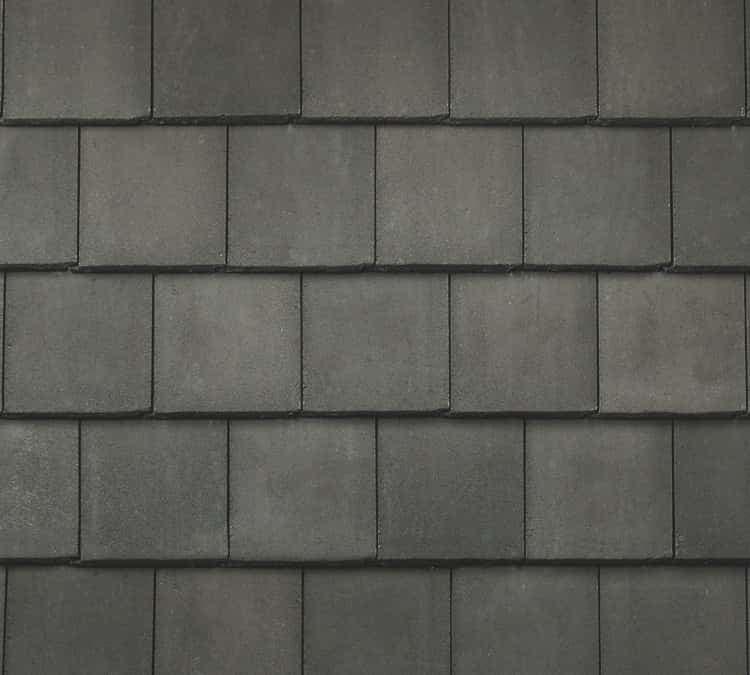
Boral Saxony 900 Slate
Boral Saxony 900 Slate is positioned as a best-in-class concrete slate tile for projects that need the look of natural slate with the price and durability benefits of concrete. It stands out for its consistent manufacturing quality, widespread availability and lower installed cost compared with premium clay products like Ludowici, while offering greater long-term durability than many light-weight composites such as Enviroshake. For roof-tile buyers focused on balancing upfront cost with proven performance, Saxony 900 is a compelling middle ground between high-end clay and synthetic options.
Ludowici French Clay Tile
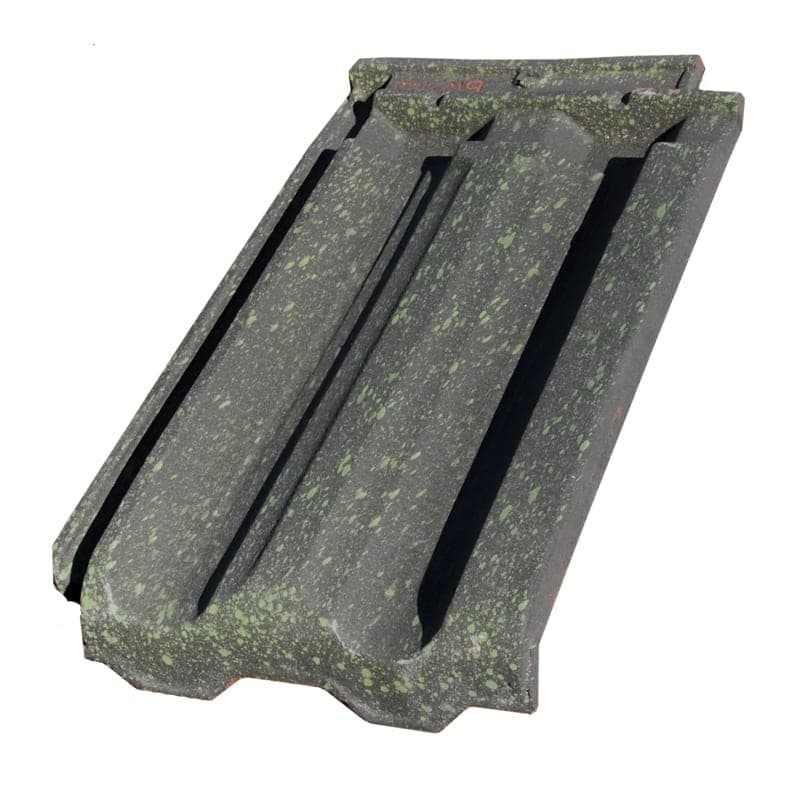
Ludowici French Clay Tile is the market leader for premium natural clay roofing, prized for its century-plus lifespan, authentic aesthetics and excellent color retention. Though it carries a higher initial purchase and installation cost than concrete (Boral, CertainTeed) or composite alternatives (Enviroshake, DaVinci), Ludowici’s low lifecycle maintenance and historic value often deliver superior long-term return for high-end restoration or luxury new-build projects. Its technical advantage is the time-tested performance of fired clay—resistant to fading, rot and freeze-thaw—making it the go-to choice when longevity and authenticity matter most.
CertainTeed Belmont Slate
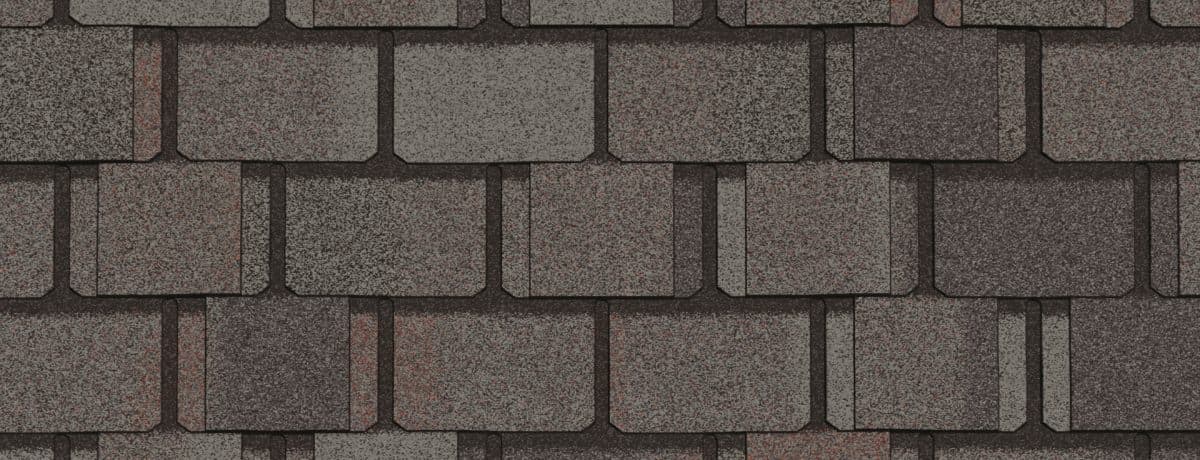
CertainTeed Belmont Slate is a value-focused slate-style roofing option that uses laminated shingle technology to deliver a convincing slate appearance at a much lower installed cost. In the 2025 guide it earns its place for affordability and ease of installation—offering lower structural requirements and shorter payback than heavy, natural options like Boral Saxony 900 or Ludowici French Clay—while accepting a tradeoff in ultimate longevity and the ultra-authentic texture you get from premium composites like DaVinci.
Enviroshake Composite Shake
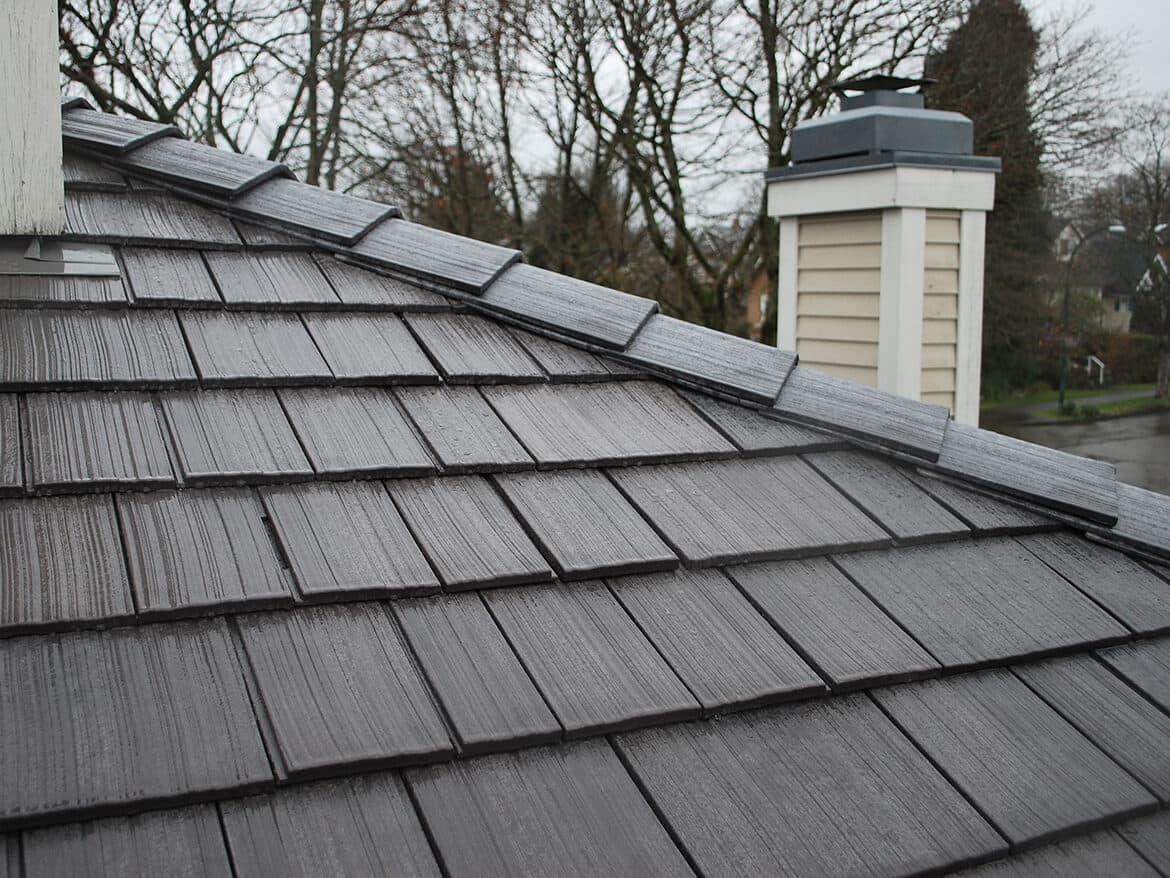
Enviroshake Composite Shake replicates the rustic look of cedar shake using engineered materials to provide superior weather resistance, lighter roof loading, and lower maintenance than natural wood. It stands out in this guide as a mid‑tier choice that balances lifetime cost and performance—more durable and often more environmentally friendly than asphalt alternatives, and less structurally demanding and costly to install than heavy clay or natural slate, though it prioritizes shake aesthetics over the precise slate realism of DaVinci Multi‑Width.
DaVinci Roofscapes Multi-Width Slate
DaVinci Roofscapes Multi-Width Slate is a premium polymer slate that reproduces the multi-sized, historic slate look with exceptional realism, long warranties, and significantly lower weight than real slate. In the 2025 lineup it’s the technical leader for homeowners who want a near-authentic slate appearance without the structural reinforcement and long-term costs associated with Boral Saxony 900 or Ludowici French Clay—though it commands a higher upfront price than economical asphalt-based options like CertainTeed.
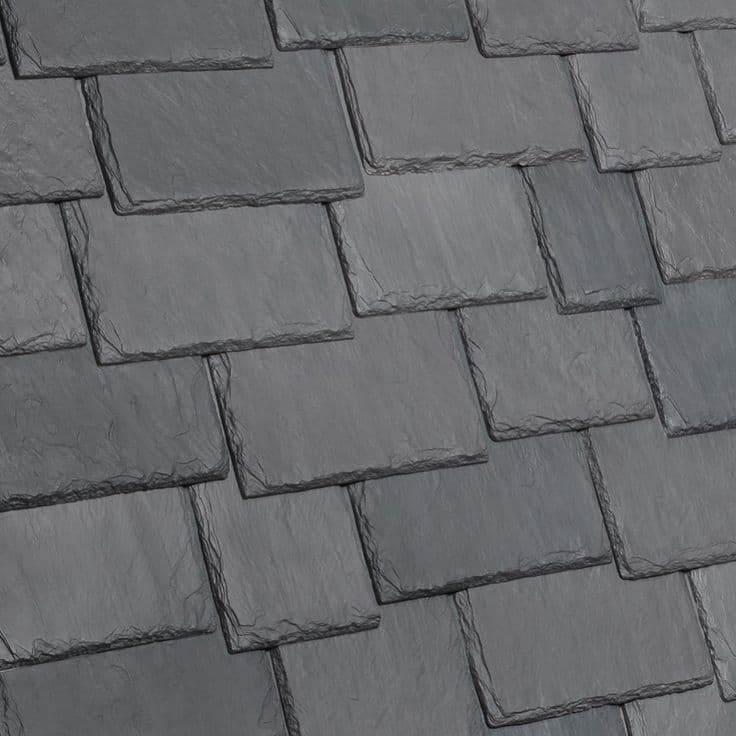
Each of these five roof tile systems brings distinct strengths: Boral Saxony 900 combines authentic slate texture with superior freeze-thaw performance; Ludowici French Clay delivers incomparable traditional beauty and durability in warm climates; CertainTeed Belmont maximizes value with engineered concrete that resists extreme weather; Enviroshake prioritizes sustainability without sacrificing authentic cedar shake aesthetics; DaVinci Slate Select balances lightweight installation, realistic appearance, and broad climate adaptability across North American regions.
What Research and Testing Reveal About Roof Tile Benefits
Multiple industry and government studies have examined how tile materials influence energy performance, durability, and lifecycle costs. Findings most relevant to American conditions emphasize thermal behavior (thermal mass and reflectivity), freeze-thaw resistance, moisture management, and long-term material aging. For buyers new to roofing science, the practical takeaway is that material choice affects not only curb appeal but measurable performance outcomes like heat transfer, maintenance needs, and long-term value.
Thermal performance: Studies and guidance from Natural Resources USA show that roofing materials with higher reflectivity or insulating assemblies can reduce seasonal heating and cooling loads when combined with proper attic ventilation.
Freeze-thaw and moisture resilience: Laboratory standards and industry testing (including ASTM methods referenced by manufacturers) demonstrate that appropriate clay, concrete, and high-quality composite tiles can withstand American freeze-thaw cycles when installed to manufacturer specifications.
Lifecycle and embodied energy: Lifecycle assessments available in academic and industry literature indicate that long-lived tile roofs often deliver lower replacement frequency and more favorable life-cycle costs compared with short-lived alternatives, offsetting higher initial costs.
Fire and impact resistance: Many clay, concrete and composite tiles meet third-party fire and impact ratings used in American building codes and insurance assessments, which is important in regions with wildfire risk or hail exposure.
Sustainability and materials science: Research on modern composite formulations shows that engineered tiles can replicate traditional aesthetics (cedar shake or slate) while improving durability, reducing maintenance and offering recyclable or reduced-carbon-content options.
Frequently Asked Questions
Which tile should I pick: Boral Saxony 900 Slate?
Choose Boral Saxony 900 Slate if you want a natural-slate look with concrete durability; it’s rated 4.2 and described as durable heavy concrete engineered to mimic natural slate, with low maintenance and long expected service life for American climates.
What’s the exact key feature of CertainTeed Belmont Slate?
CertainTeed Belmont Slate uses architectural laminated shingle technology engineered to mimic natural slate appearance; it’s rated 4.3, and is lighter and less expensive to install than real slate, simplifying retrofit projects.
How does Ludowici French Clay Tile value compare price-wise?
The data says Ludowici French Clay Tile costs more initially than concrete options like Boral and CertainTeed, but it’s positioned for century-plus lifespan, authentic aesthetics, and excellent color retention; its rating is 4.6.
Is Ludowici French Clay Tile good for fire resistance?
Yes—Ludowici French Clay Tile is noted as having Class A fire resistance; it’s rated 4.6 and is well suited for heritage or high-end projects, with exceptional longevity and colorfastness.
Conclusion
For American homeowners balancing weather resilience, structural compatibility, and long-term investment value, the choice between these five roof tile systems depends on your specific regional climate, home architecture, and budget priorities. Boral Saxony 900 Slate excels in regions requiring premium aesthetics and extreme durability, making it ideal for high-end residential properties in upscale neighborhoods. Ludowici French Clay Tile remains the top choice for Mediterranean, Spanish Colonial, or Southwestern architectural styles, particularly popular across California, Arizona, and parts of Florida. CertainTeed Belmont Concrete Tile offers exceptional value for homeowners seeking slate appearance without premium pricing, working well in moderate to harsh climates across the Midwest and South. Enviroshake Composite Cedar Shake appeals to environmentally conscious homeowners in Pacific Northwest regions and areas with traditional wood shake architecture. DaVinci Slate Select emerges as the most versatile option nationally, combining freeze-thaw durability, lightweight installation benefits, and authentic slate appearance at mid-range pricing. To select the perfect roofing system for your home, consider your region's specific weather patterns, your roof's structural load capacity, local building codes and wind ratings, the architectural style of your neighborhood, and the availability of certified installers in your area. Use our detailed product comparison tool to filter by climate zone, material type, price point, and installer network to narrow your search and connect with qualified roofing professionals ready to provide estimates and warranty information tailored to your home.