

Top 5 Thigh Prosthetics in the USA for Comfortable Mobility and Natural Movement - 2026
Published on Thursday, February 26, 2026
Thigh prosthetics are advanced devices designed to restore mobility and improve quality of life for people with above-knee amputations. In the United States, demand for thigh prosthetics continues to grow as consumers prioritize comfort, natural gait, durability, and compatibility with active lifestyles. Modern thigh prostheses combine improved socket interfaces, lighter materials, microprocessor control, and optional powered assistance to deliver safer, more energy-efficient walking, better slope and stair negotiation, and adaptable performance across daily activities. Buyers in the U.S. increasingly choose systems that offer intuitive stability, reliable battery life, water resistance for outdoor use, and strong clinical support from prosthetists. Insurance coverage patterns, rehabilitation resources, and clinic experience also shape consumer decisions, so many users look for products with proven clinical outcomes and broad provider familiarity.
Top Picks Summary
Ottobock C-leg 4
The Ottobock C-Leg 4 is a leading prosthetic knee designed for active users, offering advanced microprocessor technology that adapts to various walking speeds and terrains. Its superior balance and stability set it apart from competitors, providing users with a natural gait while also incorporating Bluetooth connectivity for personalized adjustments. This product truly enhances mobility for those with above-knee amputations.

Where to buy Ottobock C-leg 4 in USA: the trusted retailers we track in this market, with the best price we have observed at each. Prices are checked regularly and can change, and the retailer confirms the final price at checkout.
We may earn a commission on purchases. It never affects our rankings.
$60,000 – $70,000
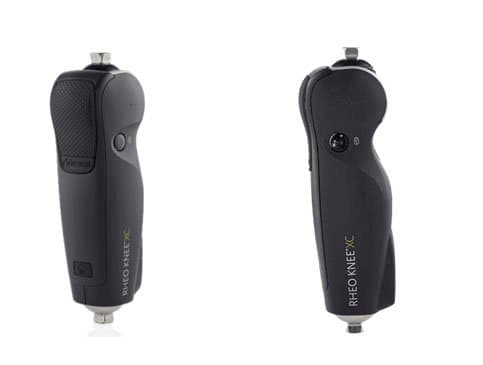
Össur Rheo Knee XC
The Össur Rheo Knee XC stands out for its ability to deliver a smooth and responsive walking experience on uneven surfaces, thanks to its innovative adaptive technology. It caters not only to active lifestyles but also emphasizes ease of use and reliability. Its lightweight design and advanced hydraulics offer a competitive edge over other prosthetics in the category, appealing to users who require high-performance solutions.
Ottobock Genium X3
The Ottobock Genium X3 is a top-tier prosthetic knee that not only offers advanced water and dust resistance but also incorporates cutting-edge technology for seamless transitions between walking and running. Its superior motion detection and adaptability in various conditions provide a significant advantage, especially for those leading an active lifestyle, making it an industry favorite for both functionality and resilience.

Where to buy Ottobock Genium X3 in USA: the trusted retailers we track in this market, with the best price we have observed at each. Prices are checked regularly and can change, and the retailer confirms the final price at checkout.
We may earn a commission on purchases. It never affects our rankings.
$70,000 – $80,000
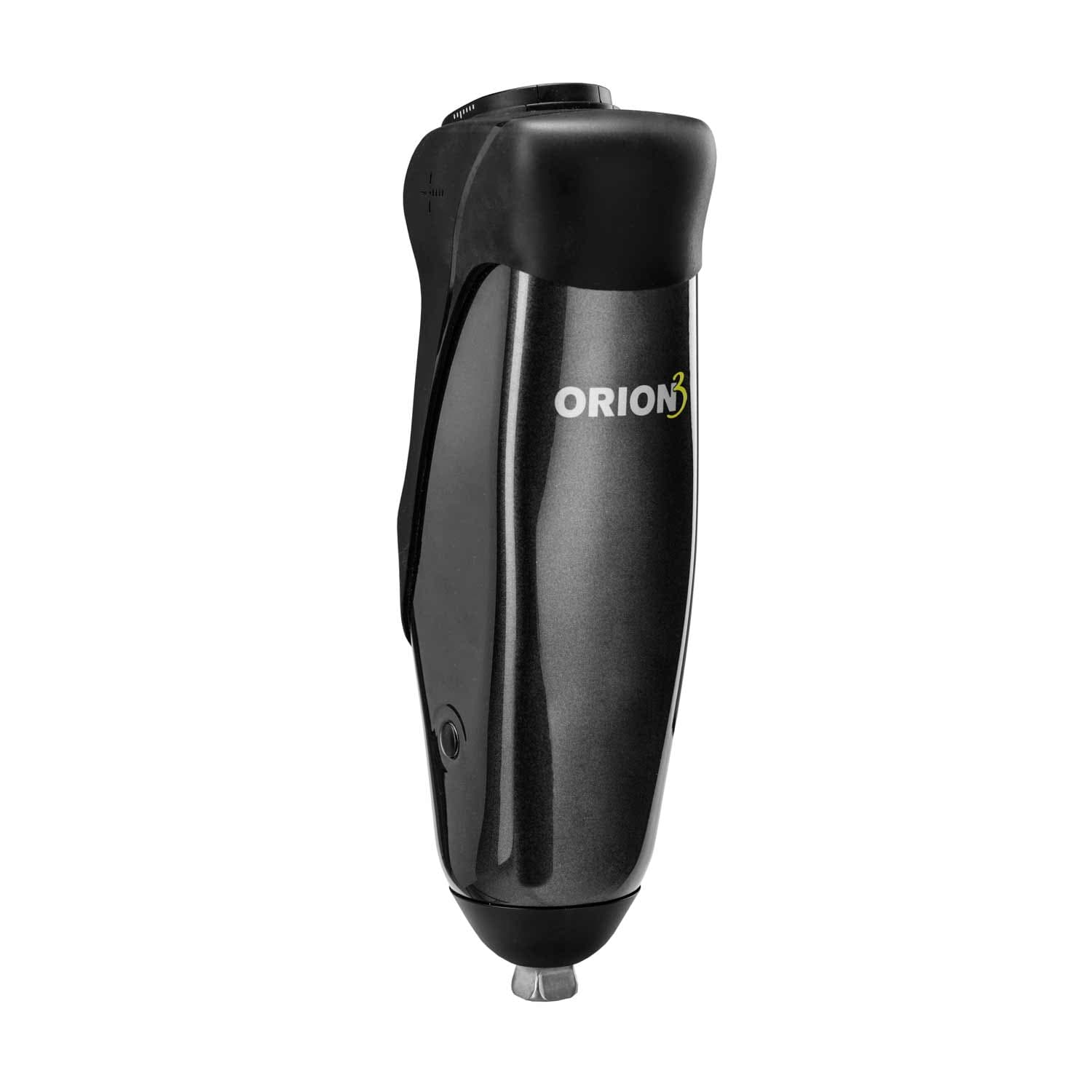
Blatchford Orion3
The Blatchford Orion3 is the company’s flagship thigh prosthetic knee, selected for its combination of smooth, adaptive gait dynamics and clinician-focused modularity that support comfortable mobility and natural movement. Compared with other top options in this 2025 US-focused list, the Orion3 stands out for its long service history, broad clinician support network, and competitive total cost of ownership thanks to a modular parts strategy and predictable maintenance profile—advantages that benefit both patients and prosthetic providers.
Össur Power Knee
The Össur Power Knee integrates robust actuation technology that mimics natural movement patterns, giving users an edge in climbing and descending stairs safely and efficiently. This feature, combined with its impressive battery life, consistently outperforms many competing models, making it ideal for users who require additional support and stability in their daily activities.

What the Research Says About Thigh Prosthetics
Clinical and gait laboratory research supports many benefits of modern thigh prosthetic technologies. Studies comparing microprocessor-controlled knees to mechanical knees show improvements in balance, walking speed, and confidence on uneven terrain. Emerging work on powered knees and adaptive control algorithms indicates better performance during uphill walking and stair ascent, and can reduce compensatory movements that stress the sound limb. Patient-reported outcomes often report higher satisfaction and perceived mobility with advanced knees when paired with a well-fitted socket and targeted rehabilitation.
Microprocessor-controlled knees have been associated with fewer stumbles and improved stability on uneven ground compared with traditional mechanical knees.
Gait lab studies report better symmetry and smoother stance-to-swing transitions with adaptive control systems, which can translate to reduced long-term joint strain.
Powered knee research shows promise for improved uphill walking, stair ascent, and reduced metabolic cost for some active users.
Clinical trials and observational studies in journals such as Prosthetics and Orthotics International and rehabilitation journals document higher patient satisfaction when advanced knees are combined with appropriate socket design and training.
Outcomes depend on individualized fitting, therapy, activity level, and realistic expectations; technology is most effective when matched to patient goals.
Frequently Asked Questions
Which thigh prosthetic knee suits active, fast walkers best?
Choose the Ottobock C-Leg 4 for active users, since it has an integrated microprocessor for stability and adaptive control for dynamic movement, plus an average rating of 4.8.
What key sensor tech does Össur Rheo Knee XC use?
The Össur Rheo Knee XC uses advanced sensor technology for a natural gait, and it’s built with a lightweight design for ease of use, with an average rating of 4.7.
How does Ottobock Genium X3 compare on value and capabilities?
The Ottobock Genium X3 is rated 4.8 and focuses on exceptional waterproof capabilities, with enhanced mobility and stability features, plus seamless transitions between walking and running in various conditions.
Is Ottobock C-Leg 4 good for rainy or wet use?
Yes—the Ottobock C-Leg 4 is listed with waterproof benefits, and it also includes a user-friendly interface with Bluetooth, with an average rating of 4.8.
Conclusion
This list highlights five leading thigh prosthetic systems available in the United States that emphasize comfortable mobility and natural movement: Ottobock C-Leg 4, Össur Rheo Knee XC, Ottobock Genium X3, Blatchford Orion3, and Össur Power Knee. Each model brings strengths for different users: the C-Leg 4 for reliable microprocessor control, the Rheo Knee XC for active terrain adaptation, the Genium X3 for the most natural, fluid gait and broad capability, the Orion3 for lightweight efficiency and battery life, and the Power Knee for powered assistance on slopes and stairs. For most users seeking the best balance of natural movement, adaptability, and proven clinical outcomes, the Ottobock Genium X3 stands out as the best overall choice on this list. I hope you found the information you were looking for. You can refine or expand your search by activity level, budget, or clinician recommendations using the site search.