Top 8 Zoom Lenses in the U.S. for 2026
Published on Monday, January 26, 2026
Zoom lenses remain the preferred choice for photographers and content creators in the U.S. because of their versatility and ability to cover multiple situations with a single lens: from travel and landscape photography to sports and video. In 2026 demand is concentrated on compact, bright zooms compatible with mirrorless cameras, featuring effective optical image stabilization, fast autofocus, and optical quality that rivals prime lenses. Consumers value the balance between focal range, low-light performance, and portability; improvements in coatings and low-dispersion elements have reduced aberrations and improved contrast. This category appeals to both enthusiasts looking for an all-in-one solution and professionals who need a flexible second lens for field work.
Top Picks Summary
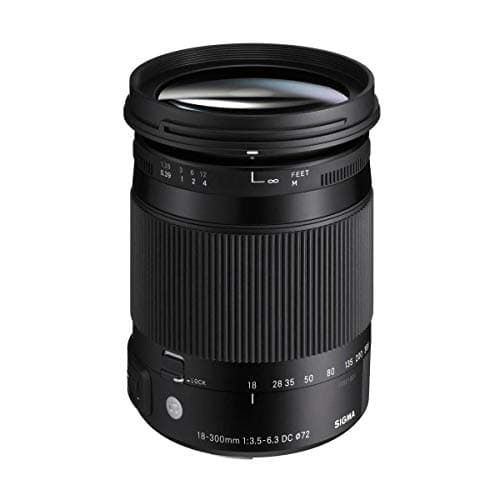
Sigma 18-300mm f/3.5-6.3 DC MACRO OS HSM Contemporary
The Sigma 18-300mm f/3.5-6.3 DC MACRO OS HSM Contemporary is a versatile all-in-one zoom lens engineered for APS-C DSLR cameras. Its broad 18-300mm focal range covers wide-angle to telephoto, providing the flexibility needed for travel, landscape, portrait and macro photography. With close-focusing macro capability and advanced optics, it delivers sharpness and clarity even at longer focal lengths. Optical stabilization helps produce clearer handheld shots, and the lens's compact, lightweight design makes it a great choice for travel photographers.
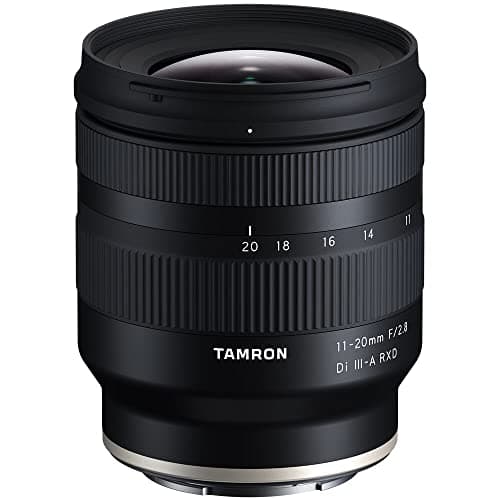
Tamron 11-20mm f/2.8 Di III-A RXD
The Tamron 11-20mm f/2.8 Di III-A RXD is built specifically for mirrorless cameras, delivering an ultra-wide-angle perspective with a fast f/2.8 aperture. Its compact, lightweight construction makes it ideal for travel and content creation, enabling photographers to capture dramatic landscapes and architecture with ease. The lens incorporates advanced optical design to reduce distortion and maintain edge-to-edge sharpness. Combined with fast, quiet autofocus, it’s a versatile lens for both photo and video use.
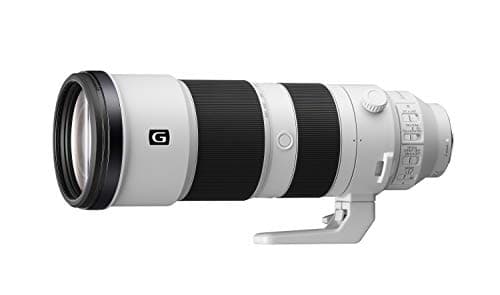
Sony FE 200-600mm f/5.6-6.3 G OSS
The Sony FE 200-600mm f/5.6-6.3 G OSS is a versatile telephoto zoom lens that excels at capturing distant subjects with exceptional clarity and detail. Its advanced G Lens design includes features to minimize distortion and enhance color rendition. Well suited for both action and wildlife photography, the lens offers a fast autofocus system and impressive optical stabilization. Its rugged construction makes it durable for outdoor shoots, appealing to adventure and wildlife photographers.
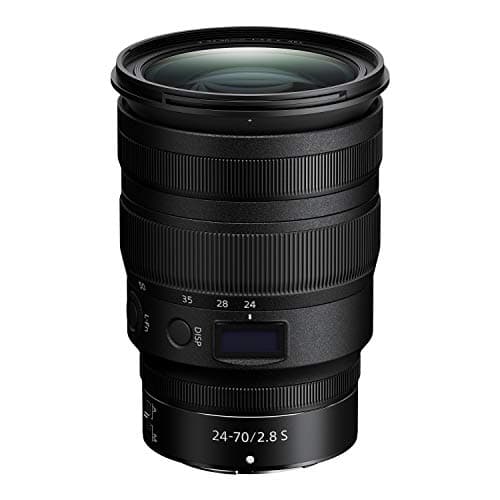
Nikon Z 24-70mm f/2.8 S
The Nikon Z 24-70mm f/2.8 S is a premium standard zoom that delivers exceptional optical performance and versatility. Its constant f/2.8 aperture enables excellent low-light capability and attractive background separation, while advanced lens elements and coatings minimize distortion and aberrations for clear, detailed images. The lens also features weather sealing for durability and reliable operation in challenging environments. With refined handling and professional-level image quality, this lens is ideal for a wide range of photography styles.
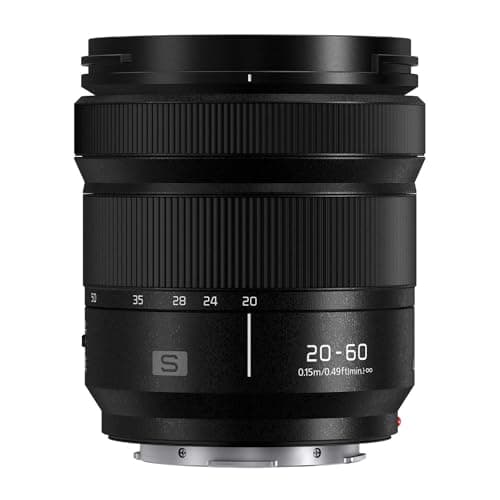
Panasonic Lumix S 20-60mm f/3.5-5.6
The Panasonic Lumix S 20-60mm f/3.5-5.6 is a compact, versatile full-frame zoom lens designed for the Lumix S series of mirrorless cameras. Its 20–60mm focal range handles everything from dynamic wide-angle scenes to natural-looking portraits, delivering exceptional image quality. Weather sealing makes it dependable for outdoor shooting, and advanced optical technologies ensure sharpness and clarity across the entire zoom range.
Sony HDC-3500
The Sony HDC-3500 is a market-leading broadcast camera that delivers unparalleled image quality and versatility. Featuring a 2/3-inch type 3-chip CMOS sensor, it excels in 4K and HD production with striking detail and vibrant colors. Its compact, modular design makes it easy to integrate with a wide range of lenses and accessories. As a trusted industry name, Sony remains a top choice for broadcasters seeking the latest technological innovation.
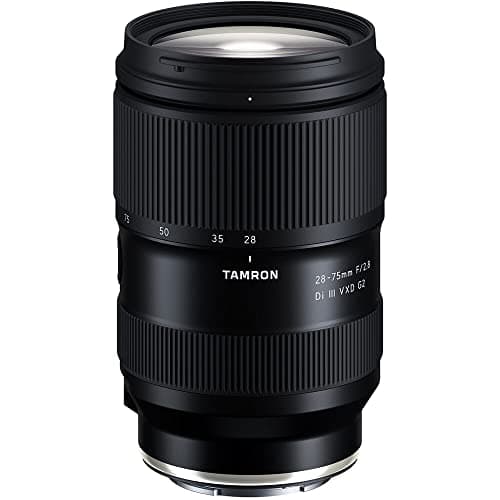
Tamron 28-75mm f/2.8 Di III VXD G2
The Tamron 28-75mm f/2.8 Di III VXD G2 redefines the standard zoom category by delivering exceptional value without compromising image quality. This lens provides a flexible 28-75mm zoom range with a constant f/2.8 aperture, covering a wide variety of shooting situations. With a lightweight profile and fast autofocus, it suits both enthusiast shooters and professionals. Its advanced optical design produces sharp, low-distortion images that stand out against competing options.
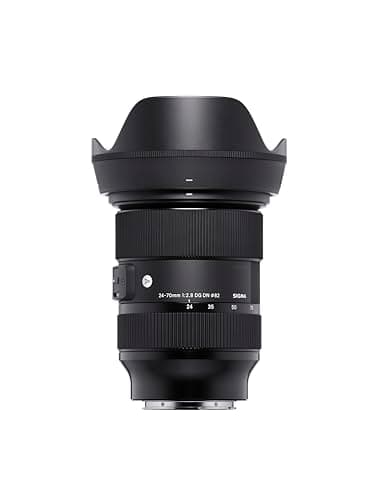
Sigma 24-70mm f/2.8 DG DN Art
The Sigma 24-70mm f/2.8 DG DN Art lens delivers outstanding image quality thanks to a high-precision optical design that meets the demanding needs of creative professionals. Its consistent performance across the full zoom range offers excellent control of depth of field and clarity in all lighting conditions, including low light. The lens is noted for exceptional sharpness and minimal distortion, producing images that reflect your creative vision. Its compact, lightweight construction also makes it an ideal choice for photographers on the move.
What research says about zoom lenses
Technical research and laboratory testing (MTF, aberration analysis, stabilization measurements) show that advances in optical design and coatings have closed the gap between many modern zooms and prime lenses, especially in the mid focal range. Ergonomics and real-world use studies indicate photographers capture more usable images per session when using lenses with effective stabilization and fast autofocus, which improves hit rate in dynamic conditions. Comparative tests published by labs and specialist media also confirm the importance of balancing zoom range, maximum aperture, and weight to maximize usefulness depending on the type of photography.
Advances in aspherical elements and low-dispersion glass reduce chromatic aberration and improve sharpness across the focal range.
Built-in image stabilization enables slower shutter speeds without camera shake, benefiting low-light shooting and handheld video.
Linear focus motors and hybrid systems improve AF speed and accuracy, essential for action photography and continuous recording.
MTF tests show many premium zooms achieve near-prime performance in the center of the frame, though there can be compromises in the corners and at maximum aperture.
The classic trade-off (zoom range vs. maximum aperture) remains: wider-range zooms often sacrifice brightness and size, so the choice depends on intended use.
Frequently Asked Questions
Which zoom lens should I buy for APS-C travel?
Choose the Sigma 18-300mm f/3.5-6.3 DC MACRO OS HSM Contemporary for APS-C DSLR travel because it offers an 18-300mm wide-to-telephoto zoom range, an average rating of 4.3, and optical stabilization (OS). Listing price is $399.98 USD
Does the Tamron 11-20mm f/2.8 Di III-A RXD have stabilization?
Yes—the Tamron 11-20mm f/2.8 Di III-A RXD includes reliable image stabilization, has a fast f/2.8 aperture, and is designed for mirrorless cameras. It’s rated 4.6 and lists for $659.00 USD
Is the Sony FE 200-600mm worth $2248 for wildlife?
The Sony FE 200-600mm f/5.6-6.3 G OSS lists for $2,248.00 USDand is rated 4.5, delivering strong telephoto reach with advanced G Lens design plus outstanding image stabilization for sports and wildlife use.
What camera system is the Sigma 18-300mm made for?
The Sigma 18-300mm f/3.5-6.3 DC MACRO OS HSM Contemporary is engineered for APS-C DSLR cameras, rated 4.3, and costs $399.98 USDIt also includes optical stabilization (OS) for sharper handheld images.
Conclusion
In summary, 2026 zoom lenses offer a mix of reach, performance, and practicality that continues to attract photographers in the U.S. We hope this guide helped you identify relevant options; if you did not find exactly what you are looking for, refine or expand your search using the search tool to adjust focal range, mount, budget, or intended use.