

Top 5 Neurosurgical Robots in the USA, 2025
Published on Saturday, March 29, 2025
Neurosurgical robots are tailored for intricate brain and spine surgeries, enhancing surgeon precision and patient safety during delicate interventions. As the medical field increasingly embraces technological advancements, neurosurgical robots have emerged as a vital component in the operating room. Their ability to assist in minimally invasive procedures makes them appealing to both surgeons and patients alike, ensuring quicker recovery times and improved surgical outcomes. Given the growing aging population and rising incidences of neurological disorders, the demand for these innovative surgical tools is on the rise in the USA.
Top Picks Summary
Synaptive Medical Modus V
The Modus V by Synaptive Medical is a state-of-the-art surgical platform that combines advanced imaging capabilities with robotic assistance for enhanced precision in neurosurgery. Its unique design allows for seamless integration into operating rooms and provides real-time visualization to aid in complex procedures. The Modus V stands out due to its intuitive user interface and the ability to customize workflows for various surgical needs, leading to improved patient outcomes. By harnessing the power of robotics and digital technology, it revolutionizes how neurosurgeons approach their craft.

Medtronic Stealth Autoguide
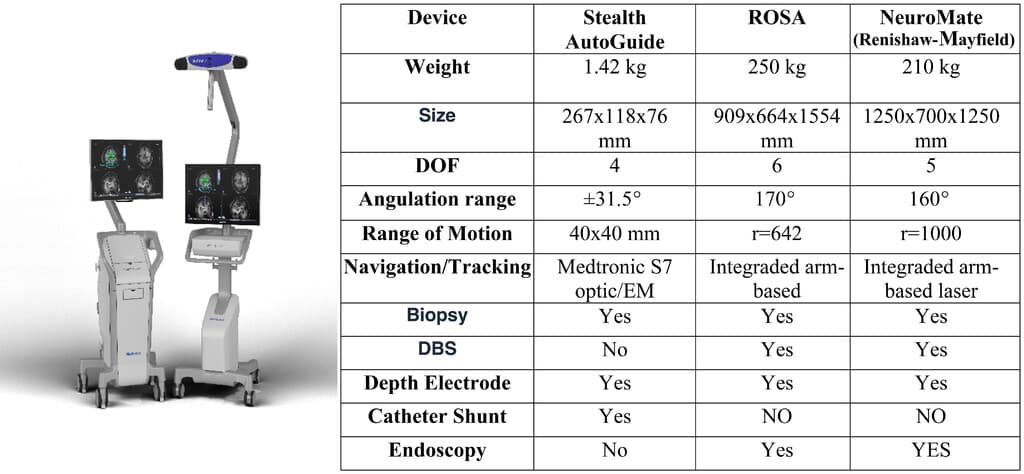
The Stealth Autoguide by Medtronic is a cutting-edge solution for neurosurgery that enhances surgical navigation and accuracy through advanced imaging and robotics. This product is known for its precision-guided capabilities, allowing surgeons to operate with confidence in challenging cases. Its seamless integration with various imaging modalities and intuitive software further elevates the surgical experience, making it a preferred choice for many neurosurgeons. With its focus on safety and efficacy, the Stealth Autoguide continues to lead the market in innovative surgical technology.
Zimmer Biomet ROSA ONE Spine
ROSA ONE Spine by Zimmer Biomet is an advanced robotic surgical assistant that streamlines the spine surgery process through enhanced precision and efficiency. Its standout feature is the ability to integrate preoperative imaging with intraoperative guidance, which allows for tailored surgical approaches. The robot's flexibility and advanced planning capabilities enable surgeons to perform complex spinal procedures with greater accuracy and reduced complication rates. With a focus on patient safety and improved clinical outcomes, ROSA ONE Spine sets the standard in spinal surgery technology.

Brainlab Curve Image Guided Surgery
Curve Image Guided Surgery by Brainlab leverages advanced software and imaging technology to provide unparalleled surgical navigation and planning capabilities. This system stands out due to its user-friendly design and real-time feedback, which aids surgeons in executing complex procedures with heightened accuracy. The integration of 3D visualization helps in anticipating challenges during surgery and contributes to safer outcomes for patients. As a leader in image-guided surgery, Brainlab continues to push the boundaries of innovation in the operating room.

Renishaw neuromate Gen III
The neuromate Gen III by Renishaw is a highly advanced robotic system that offers surgical precision and control in complex neurosurgical procedures. Its unique aspects include a combination of sophisticated robotics and innovative instruments, providing surgeons with enhanced dexterity and visualization. The system's design allows for easy integration into existing surgical workflows, making it a preferred choice for many operating rooms. Renishaw's commitment to safety and efficiency positions neuromate Gen III at the forefront of neurosurgical robotics.
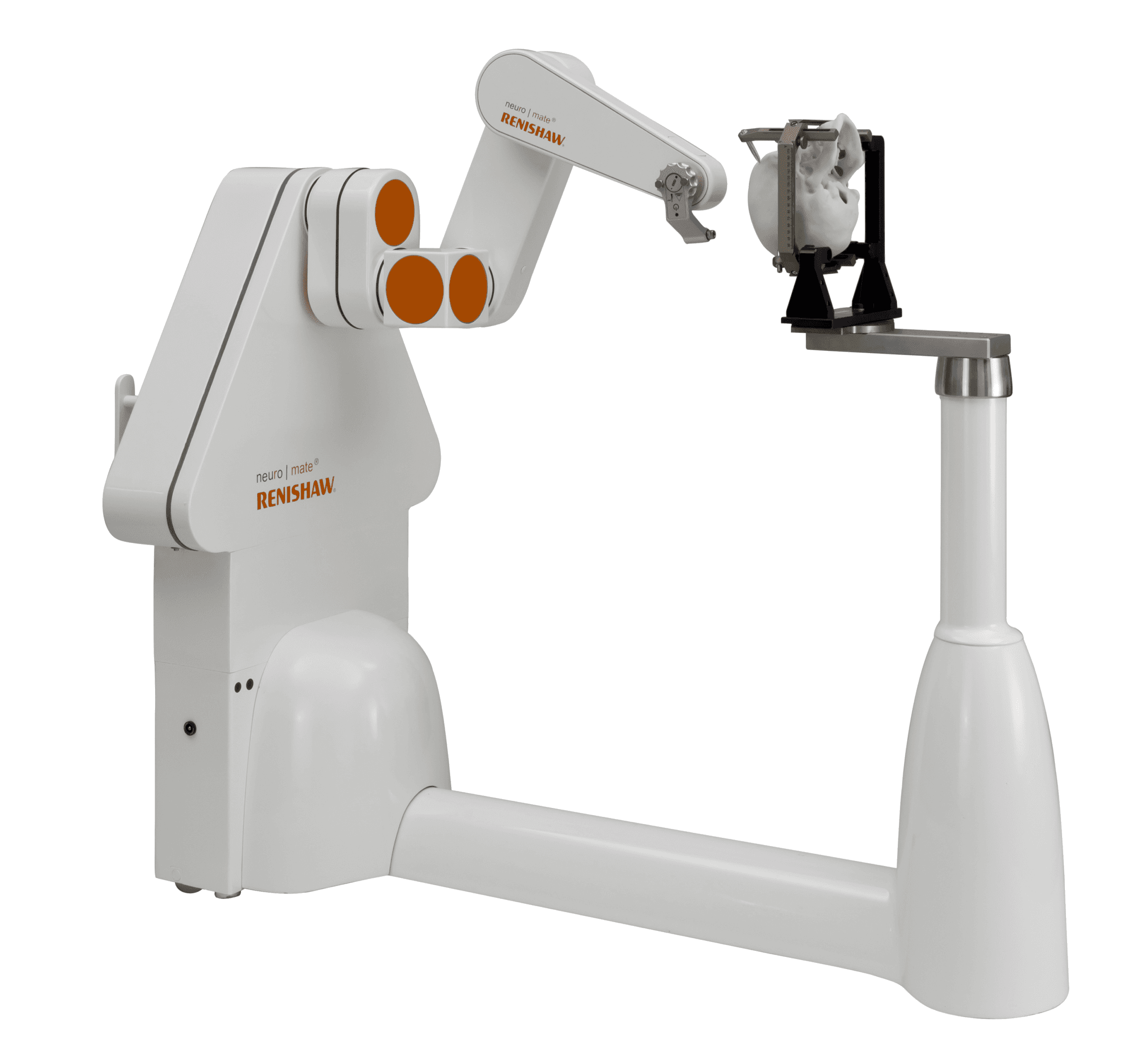
State-of-the-art imaging integration and microsurgical instruments allow for unparalleled precision in neurosurgical procedures.
Understanding the Impact of Neurosurgical Robots
Neurosurgical robots provide unique advantages in the operating room, significantly impacting both surgical precision and recovery rates. Here’s what you need to know:
Enhanced Precision: Neurosurgical robots allow for greater accuracy, reducing the risk of damage to surrounding tissues during complex procedures.
Minimally Invasive Techniques: These robots facilitate minimally invasive surgeries, leading to less pain and quicker recovery for patients.
Real-time Imaging: Many neurosurgical robots integrate real-time imaging systems, allowing surgeons to navigate accurately through intricate anatomical structures.
Increased Efficiency: Robotic assistance streamlines the surgical process, potentially reducing operational hours and improving overall surgical workflow.
Training Simulation: Neurosurgical robots are equipped with simulation training features, helping new surgeons to gain experience in a controlled, risk-free environment.
Positive Patient Outcomes: Numerous studies indicate that surgeries conducted with robotic assistance yield lower complication rates and shorter hospital stays.
Frequently Asked Questions
Which neurosurgical robot should I choose for precision?
Synaptive Medical Modus V is a strong pick for precision imaging, with an average rating of 4.8, and it combines advanced imaging technology with robotic assistance plus real-time performance monitoring and a user-friendly interface.
Does Medtronic Stealth Autoguide offer automated adjustments?
Yes—Medtronic Stealth Autoguide includes automated adjustment features, along with highly accurate image guidance and integration with surgical workflows; it has an average rating of 4.7.
What price do I get with Synaptive Medical Modus V?
No price is provided for Synaptive Medical Modus V in the available product data, but it’s rated 4.8 and includes advanced imaging technology, real-time performance monitoring, and a user-friendly interface.
Is Zimmer Biomet ROSA ONE Spine for minimally invasive cases?
Yes—Zimmer Biomet ROSA ONE Spine is described as supporting minimally invasive procedures, and it has an average rating of 4.6, with the ability to integrate preoperative imaging with intraoperative guidance.
Conclusion
As technology continues to evolve, the landscape of neurosurgery in the USA is set to change dramatically with these robotic advancements. We hope you found the information you were looking for about neurosurgical robots. Feel free to use our search bar to look for any specific inquiries or details you may need.