

Best FPV Racing Antennas in USA for 2026 — Top 7 Picks
Published on Thursday, February 26, 2026
FPV Racing Antennas are crucial components for drone racers who want to elevate their flying performance. These specialized antennas improve signal quality, extend usable range, and reduce dropouts for FPV systems, enabling steady video feeds at high speed and through complex courses. In the US market, where drone racing and organized events are growing, pilots prioritize antennas that deliver consistent reception, robust build quality, and predictable polarization behavior. Consumers often choose between linear and circular polarization, trade off gain versus radiation pattern, and prefer antennas that are rugged enough for crashes yet lightweight to preserve flight characteristics. Advances in antenna materials, tuning methods, and connector reliability have made high-quality antennas essential for American racers seeking to minimize interference, improve link margin, and gain a competitive edge.
Top Picks Summary
TBS Triumph Pro V2
The TBS Triumph Pro V2 stands out with its robust design and superior performance in the FPV market. It features an omnidirectional antenna that delivers exceptional signal hold and range for a more reliable experience. Its lightweight construction ensures minimal impact on your UAV's flight dynamics, making it a favorite among professional pilots. The Triumph Pro V2 also boasts a broad frequency range, making it versatile for various applications.

Lumenier AXII 3
The Lumenier AXII 3 is a game-changer in the world of FPV antennas, offering enhanced signal clarity and a wide range of features that cater to both amateur and professional pilots. Its unique design minimizes drag, allowing for smoother flight experiences while maintaining excellent reception. This third iteration improves upon its predecessors by providing better durability and performance under various environmental conditions. With its sleek aesthetics, the AXII 3 doesn't just perform great; it looks great too.

TrueRC Singularity
The TrueRC Singularity is renowned for its compact design without compromising on performance, making it an excellent choice for those looking to save weight on their FPV crafts. It delivers stable, high-quality video transmission that's crucial for precision flying. This antenna's unique structure allows for a broad bandwidth, making it suitable for a variety of frequencies. Its build quality ensures it can withstand the rigors of outdoor adventures, giving pilots peace of mind.

Foxeer Lollipop V4 Plus
The Foxeer Lollipop V4 Plus earns a best-in-class spot for FPV racing antennas by delivering an excellent balance of compact omni-directional performance, rugged construction and a competitive price-to-performance ratio. Compared with the more race-specialized MenaceRC Bandicoot V2 and the boutique styling of the Rush Cherry 2, the Lollipop V4 Plus offers consistently clean reception and durability for pilots who want reliable range without the premium price; it also undercuts some pricier options like the SpeedyBee Maestro on cost while remaining technically competitive for most racing scenarios.

MenaceRC Bandicoot V2
The MenaceRC Bandicoot V2 holds a market-leader position for pilots who prioritize raw racing performance, offering tight radiation patterns and refined polarization that translate to better link stability at high speeds and through obstacles. It commands a premium over budget-focused antennas like the Rush Cherry 2 and Foxeer Lollipop V4 Plus, but that extra cost buys more precise signal behavior and reduced multipath artifacts—advantages that competitive racers will notice over generic or value-oriented antennas such as the SpeedyBee Maestro.
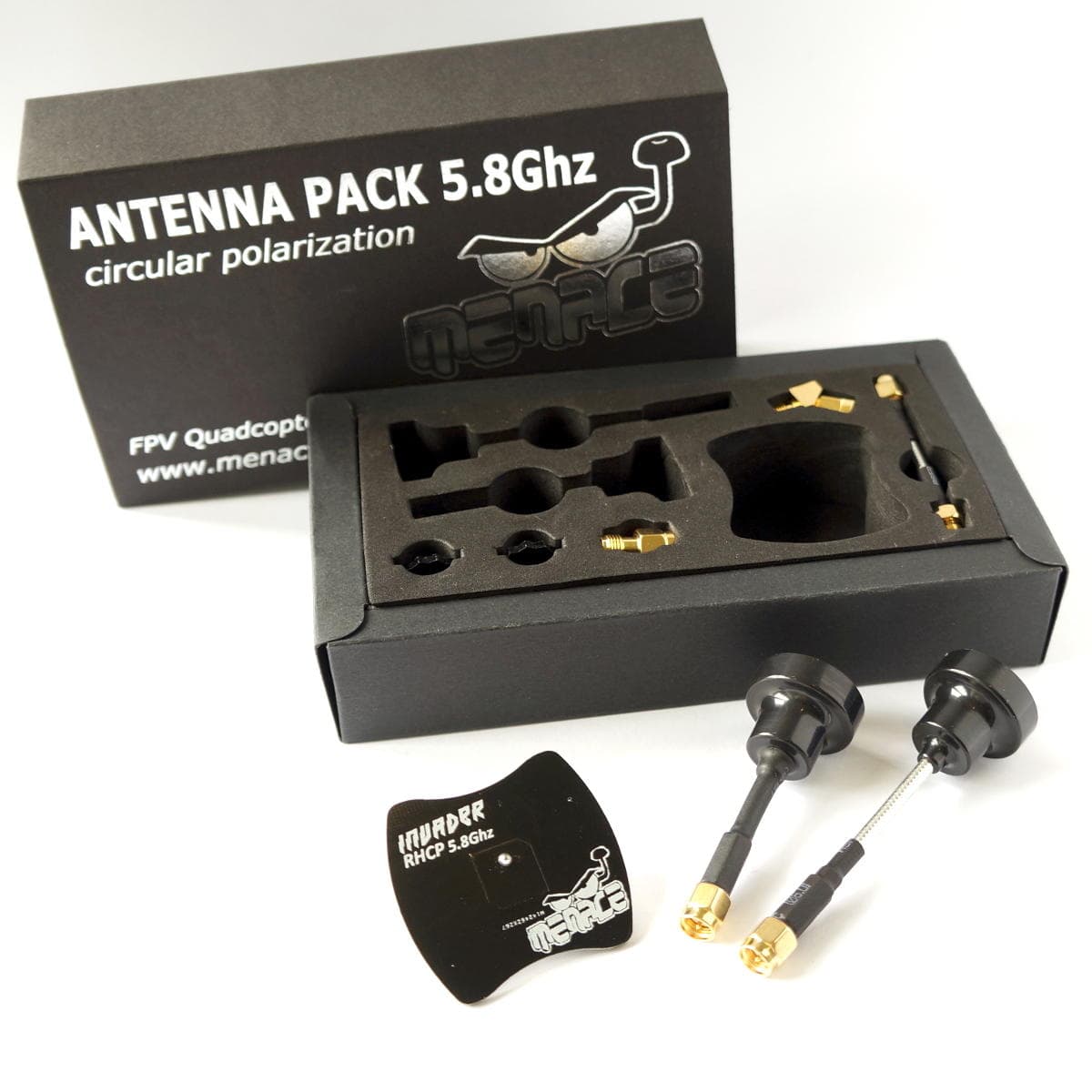
Where to buy MenaceRC Bandicoot V2 in USA: the trusted retailers we track in this market, with the best price we have observed at each. Prices are checked regularly and can change, and the retailer confirms the final price at checkout.
We may earn a commission on purchases. It never affects our rankings.
$18 – $30
Rush Cherry 2
The Rush Cherry 2 is recognized as a top value choice for FPV racing, combining lightweight, low-drag construction with performance tuned for agile frames and aggressive flight; it’s especially attractive for pilots swapping antennas frequently or running tight builds. While it may not match the absolute link fidelity of the MenaceRC Bandicoot V2 or the balanced longevity of the Foxeer Lollipop V4 Plus, the Cherry 2 often undercuts those options on price and weight, and it competes favorably with the SpeedyBee Maestro for pilots focused on maneuverability and minimal antenna profile.

SpeedyBee Maestro 5.8GHz Antenna
The SpeedyBee Maestro 5.8GHz Antenna is positioned as a feature-rich, cost-conscious option that blends solid omni performance with convenient mounting and modern materials, making it a smart choice for pilots who want near-competitive range without specialist pricing. It generally costs less than the MenaceRC Bandicoot V2 while offering better technical characteristics and build than many entry-level antennas, and although it may not be as lightweight as the Rush Cherry 2 or as established in racing circles as the Foxeer Lollipop V4 Plus, the Maestro represents a strong technical and financial middle ground for club racers and advanced hobbyists.
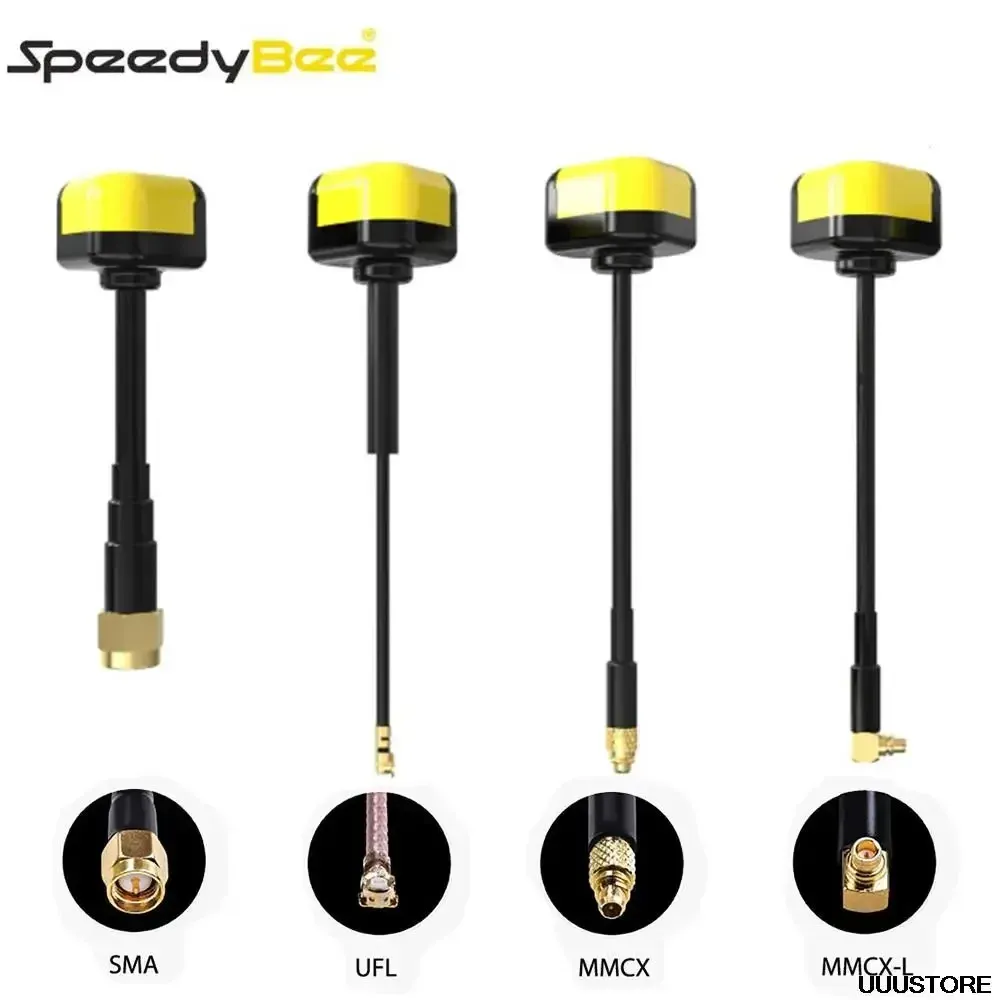
Where to buy SpeedyBee Maestro 5.8GHz Antenna in USA: the trusted retailers we track in this market, with the best price we have observed at each. Prices are checked regularly and can change, and the retailer confirms the final price at checkout.
We may earn a commission on purchases. It never affects our rankings.
$14 – $26
Why Antenna Choice Matters: Research-Backed Benefits
Scientific studies and industry testing show that antenna design directly affects signal stability, range, and resistance to multipath interference. For FPV racing, where low latency and continuous video are critical, the right antenna lowers the chance of brief signal fades that can cause crashes or missed gates. Research into radio frequency propagation, antenna polarization, and diversity reception forms the basis for practical recommendations used by racers and manufacturers.
Polarization matters: peer-reviewed studies and field tests demonstrate that circularly polarized (CP) antennas reduce multipath fading in urban and tree-lined racecourses compared with linear antennas.
Gain versus beamwidth: engineering analyses show higher gain antennas increase effective range but narrow the coverage pattern, so pilots must balance long-distance link margin with the need for omni-directional reception in close, fast maneuvers.
Diversity and receiver architecture: research into diversity reception confirms that combining signals from different antennas or polarizations improves link reliability in complex environments.
Materials and robustness: lab and community testing indicate that durable materials and reinforced connectors reduce failure rates after crashes and improve long-term performance.
Frequently Asked Questions
Which FPV racing antenna should I buy for reliability?
Choose the TBS Triumph Pro V2 if you want reliable signal hold and range; it’s an omnidirectional antenna with an average rating of 4.8 at $35.99 USD
What exact feature does the Lumenier AXII 3 offer?
The Lumenier AXII 3 is built for enhanced signal reception, with a lightweight design and durable construction; it has an average rating of 4.7 and costs $45.49 USD
Is TrueRC Singularity cheaper than the others and why?
Yes—TrueRC Singularity is $71.95 USDlower than TBS Triumph Pro V2 at $35.99 USDand Lumenier AXII 3 at $45.49 USDwhile still delivering stable, high-quality video transmission.
How is TrueRC Singularity different from the Triumph Pro V2?
TrueRC Singularity is compact for saving weight, and it’s rated 4.6; TBS Triumph Pro V2 is omnidirectional with an average rating of 4.8, priced at $35.99 USD
Conclusion
Whether you prioritize range, crash resilience, or the cleanest video feed, the 2026 top seven picks cover the needs of most US racers. Our lineup includes the TBS Triumph Pro V2, Lumenier AXII 3, TrueRC Singularity, Foxeer Lollipop V4 Plus, MenaceRC Bandicoot V2, Rush Cherry 2, and the SpeedyBee Maestro 5.8GHz Antenna. For most competitive pilots who want a balanced mix of durability, signal stability, and predictable performance, the TBS Triumph Pro V2 stands out as the best overall choice among these models. We hope you found the right antenna for your setup; you can refine or expand your search using the site search to compare specs, read reviews, or filter by weight, polarization, and connector type.