Night Vision Aerial Photography Drones — Top 7 in USA for 2026
Published on Wednesday, February 25, 2026
Night vision aerial photography drones let photographers, filmmakers, and content creators capture striking imagery after dark by combining infrared, thermal, and low-light imaging technologies with stable aerial platforms. In the USA, demand for these drones is rising among wildlife photographers, documentary filmmakers, search-and-rescue teams, and hobbyists who want to expand creative possibilities beyond daytime shoots. Buyers choose night-vision-capable aerial photography drones for clearer detail in low light, the ability to detect heat signatures, and extended shooting windows that turn long summer evenings and dramatic nocturnal landscapes into usable, cinematic footage. Key consumer drivers include sensor quality, portability, flight time, regulatory compliance, and the availability of intelligent imaging features such as image fusion, noise reduction, and AI-assisted tracking.
Top Picks Summary
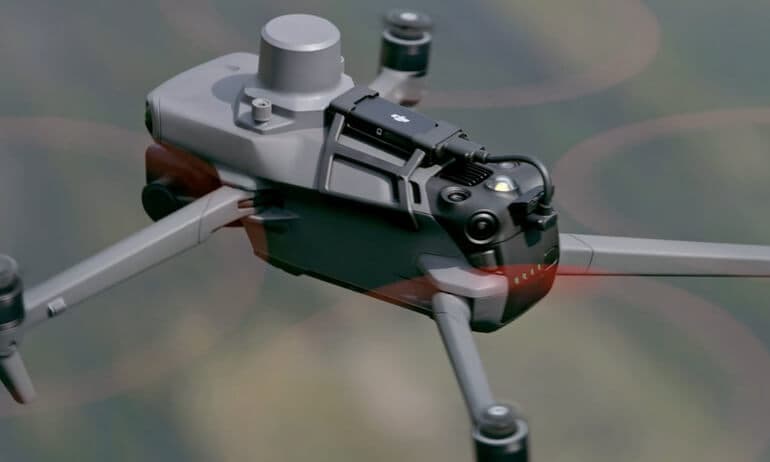
DJI Mavic 3 Enterprise
The DJI Mavic 3 Thermal stands out with its impressive dual-camera system, combining a high-resolution visual camera with a thermal sensor for enhanced inspection capabilities. Its advanced obstacle sensing and intelligent flight features make it an ideal tool for professionals in search and rescue, firefighting, and inspection sectors. With a remarkable flight time and range, it offers a seamless experience for users demanding high-quality aerial data. The compact and foldable design allows for easy transport, making it a leader in portable drone technology.
Autel Evo II Dual 640T
The EVO II Dual 640T V3 earns a best-in-class spot for night vision aerial photography by pairing a high-resolution thermal sensor with a detailed RGB camera in a compact, portable airframe—delivering superior thermal sensitivity for low-light and zero-light inspections. Compared with larger enterprise platforms on this list, it offers a very strong price-to-performance ratio and easier field deployment, while trading some enterprise-level redundancy and integration features found on the Matrice series and EVO Max line.

DJI Matrice 30T
The Matrice 30T is the market leader for night operations thanks to DJI's mature ecosystem, multi-sensor integration (including radiometric thermal and high-zoom imaging), and enterprise-grade reliability that simplifies mission planning and fleet management. Although typically more expensive than the Autel offerings, it provides superior systems integration, extended service/support and built-in redundancy that larger commercial customers value over the lighter, more portable alternatives like the EVO II Dual and Skydio X10.

$12000-15000
Parrot ANAFI USA
The Parrot Anafi USA is distinguished by its compact design and powerful imaging capabilities, featuring a 32x zoom camera and thermal imaging functionalities, making it versatile for many use cases. It is engineered with a strong focus on security and privacy, appealing to public safety and defense sectors. The device supports multiple flight modes and has obstacle avoidance features, ensuring safe operations in complex environments. Additionally, its lightweight construction enhances portability without compromising performance.

Skydio X10
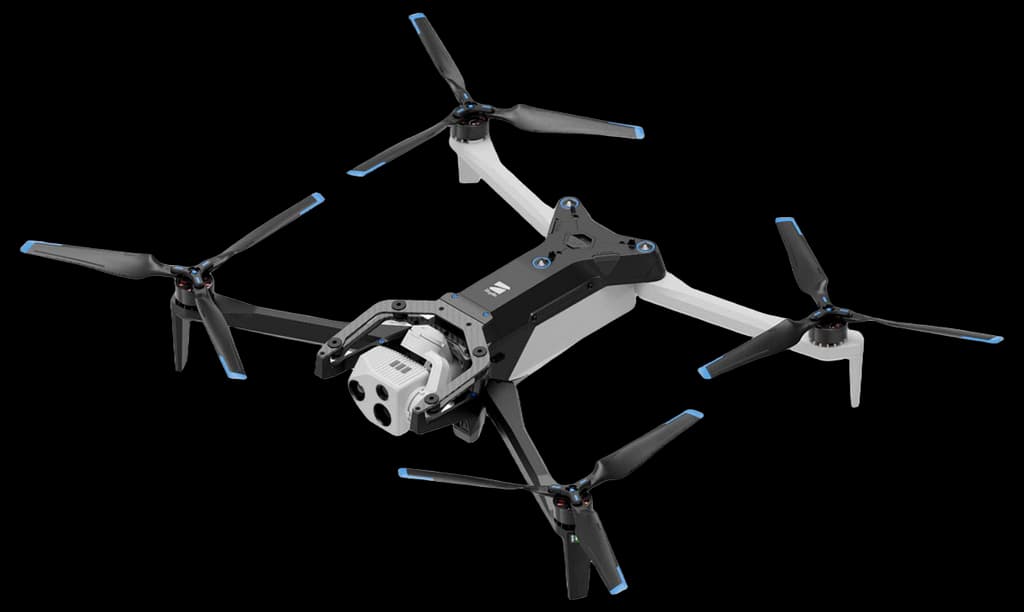
The Skydio X10 stands out for autonomous night missions: industry-leading obstacle avoidance and onboard AI allow safer single-operator flights in complex, low-light environments and GPS-challenged settings. While its thermal payload options may be less standardized than the Matrice 30T or Autel Dual series, the X10's autonomy reduces operator training and mission risk, offering a compelling technical advantage for inspection and public-safety teams focused on reduced manpower and faster deployment.
$10000-14000
FLIR SkyRanger R70
The FLIR SkyRanger R70 is a market leader equipped with advanced thermal imaging technology that specializes in first responder and security applications. With its robust design and impressive payload capacity, it can support a range of sensors and cameras for various industrial and tactical uses. The drone is designed for endurance and flexibility, boasting a long flight time while ensuring real-time processing of data for immediate insights. Its ruggedness and reliability make it a go-to choice for professionals in demanding situations.

7000-8000$
Autel Robotics EVO Max 4T
The EVO Max 4T targets enterprise night-vision users who need a balanced mix of modular payloads, extended flight time and affordability, making it a cost-effective middle ground between the compact EVO II Dual and the higher-end Matrice 30T. It delivers enterprise features and mission flexibility at a lower total cost of ownership than some market-leader alternatives, while being more mission-ready out of the box than autonomy-first platforms such as the Skydio X10.

How night vision drone technology works and why it helps
Night-capable aerial photography relies on two complementary approaches: low-light optical sensors that maximize available light and thermal/infrared sensors that detect temperature differences. Advances in sensor design, such as back-illuminated CMOS sensors and larger pixel sizes, improve signal-to-noise ratio and deliver clearer images without excessive exposure time. Thermal sensors capture heat signatures independent of visible light, which is especially useful for wildlife detection, search-and-rescue, and scene analysis at night. Image fusion and AI-based denoising combine data from both sensor types to produce balanced, usable imagery for photography and video. These technologies are supported by peer-reviewed remote-sensing research and industry reports that document improved detection rates and image clarity when thermal and low-light optical data are combined.
Low-light optical sensors (back-illuminated CMOS) increase sensitivity and reduce noise, enabling usable images under limited illumination.
Thermal infrared sensors detect heat signatures, improving detection of animals, people, and heat sources regardless of visible light.
Image fusion and AI denoising algorithms merge thermal and visual data to produce clearer, more informative photos and footage.
Scientific and industry studies in remote sensing and wildlife monitoring show higher detection and classification accuracy when thermal imaging is used at night.
Operational factors such as battery capacity, payload weight, and cooling affect night-flight duration and thermal sensor performance.
Regulatory and safety considerations (FAA Part 107 rules, waivers for night operations, and local wildlife protections) are important for legal and ethical night work.
Frequently Asked Questions
Which drone should I get for night thermal filming?
Choose Autel Robotics EVO II Dual 640T V3 for night imaging: it pairs a radiometric 640×512 thermal core with a high-resolution visible camera for fused night imaging, and it’s rated 4.8.
Does DJI Mavic 3 Thermal offer long flight time?
Yes—DJI Mavic 3 Thermal lists a long flight time of up to 46 minutes, and it has an average rating of 4.8.
Is Autel EVO II Dual 640T V3 good value at $4099?
At $4099 (15% discount shown), Autel Robotics EVO II Dual 640T V3 includes a radiometric 640×512 thermal sensor plus a high-resolution visible camera, with an average rating of 4.8.
What warranty comes with DJI Matrice 30T for night missions?
Warranty duration isn’t listed for DJI Matrice 30T, but it’s rated 4.5 and features IP55-rated weather resistance plus RTK positioning for precise night operations.
Conclusion
This selection showcases seven top night vision aerial photography drones available in the USA for 2026: DJI Mavic 3 Thermal, Autel Robotics EVO II Dual 640T V3, DJI Matrice 30T, Parrot Anafi USA, Skydio X10, FLIR SkyRanger R70, and Autel Robotics EVO Max 4T. Each model targets different users — from filmmakers and touring photographers to enterprise and public safety teams. For most photographers and filmmakers who want a balanced combination of image quality, portability, and creative control, the DJI Mavic 3 Thermal stands out as the best overall choice among these options. If you did not find exactly what you need, you can refine or expand your search using the site search to compare specific specs like sensor type, flight time, and payload options. We hope you found what you were looking for and that this guide helps you pick the right night vision drone for your projects.