

Enterprise Security-Optimized Processors: Top 7 for USA in 2026
Published on Wednesday, February 25, 2026
Enterprise security-optimized processors are specifically designed to offer heightened security features that safeguard crucial data against an evolving spectrum of cyber threats. In today's digital landscape, where data breaches and cybersecurity threats are rampant, businesses across the USA are increasingly prioritizing these processors. Their ability to deliver hardware-rooted protections such as secure boot, remote attestation, trusted execution environments, memory encryption, and integrated cryptographic acceleration makes them a preferred choice among IT professionals and decision-makers responsible for securing operations. Enterprises favor processors that combine strong security primitives with performance, scalability, and compatibility for hybrid and cloud environments. Regulatory compliance demands, industry-specific data protection needs, and the desire to lower risk while preserving total cost of ownership explain why organizations in finance, healthcare, government, and large-scale cloud service providers are rapidly adopting security-optimized enterprise CPUs.
Top Picks Summary
Intel Xeon w9-3595X
Intel's Xeon w9-3595X secures a best-in-class position for enterprise security-optimized deployments by combining Intel's mature hardware security extensions with strong single-thread and crypto throughput, making it well suited for latency-sensitive confidential workloads. Compared with AMD EPYC and Ampere scale-out chips it trades some core density for proven ISV support and a lower migration risk, which can translate to lower integration and operational expenses for enterprises that prioritize vetted tooling and per-core cryptographic performance.

AMD EPYC 9754
The AMD EPYC 9754 stands out for delivering large core counts and AMD's Secure Encrypted Virtualization (SEV/SEV-SNP) family, giving enterprises practical confidential-computing at scale with strong price-performance per secured vCPU. Versus Intel and IBM offerings it typically delivers better cost efficiency for multi-tenant encrypted workloads and higher memory bandwidth for data-intensive secure applications, making it attractive where consolidation and raw encrypted throughput drive financial advantage.

IBM POWER10 DCM
IBM POWER10 DCM is engineered for data-centric security, offering pervasive memory encryption, on-chip key management and hardware cryptographic acceleration tailored for mission-critical enterprise workloads that require the highest levels of assurance. While it generally carries a premium over x86 and Arm solutions, its advanced encryption and consolidation capabilities can reduce regulatory and operational risk — and therefore total cost of ownership — for highly regulated industries compared with mass-market cloud processors.
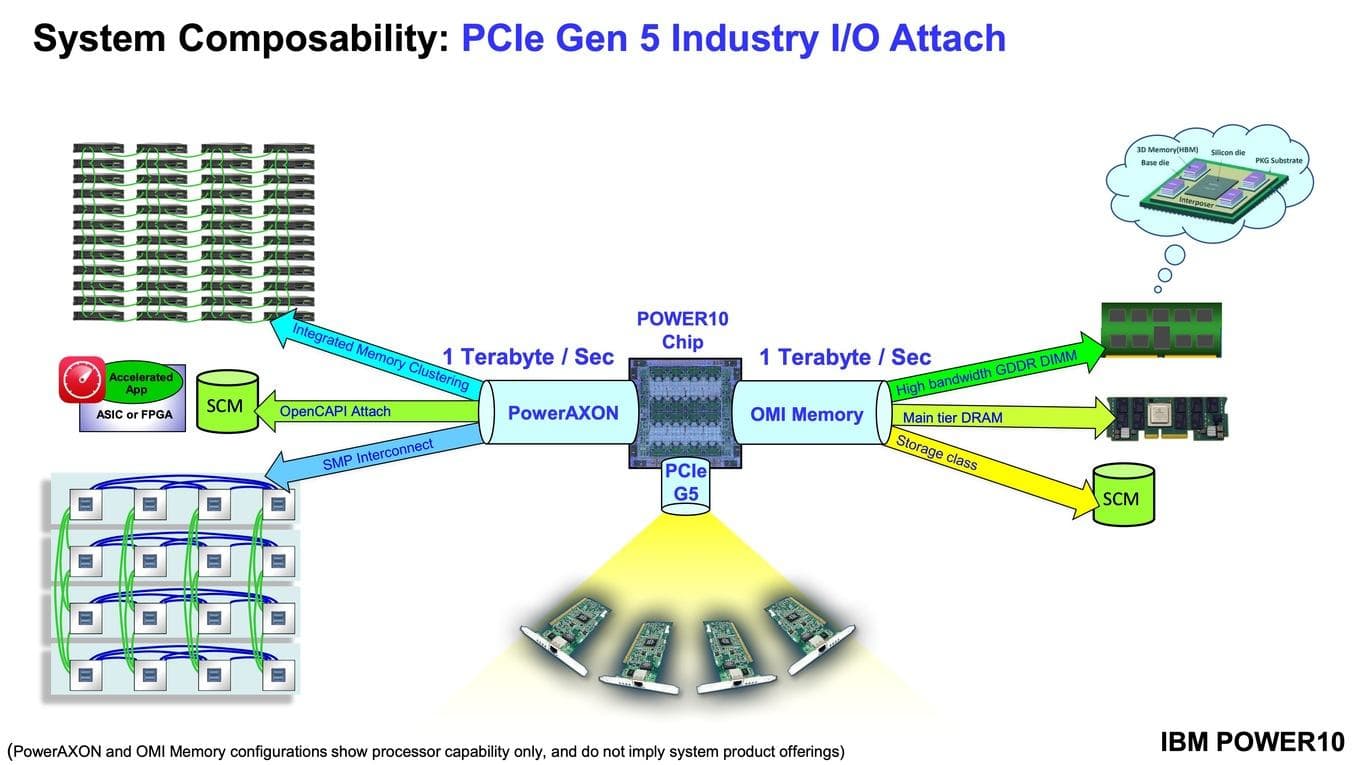
Where to buy IBM POWER10 DCM in USA: the trusted retailers we track in this market, with the best price we have observed at each. Prices are checked regularly and can change, and the retailer confirms the final price at checkout.
We may earn a commission on purchases. It never affects our rankings.
$8,000 – $25,000
Intel Xeon 6980P
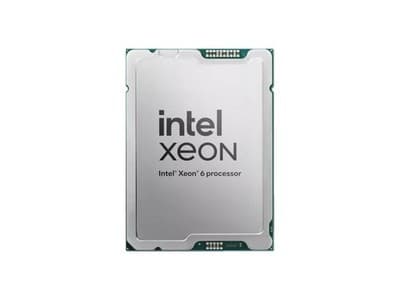
The Intel Xeon 6980P is a market-leading enterprise processor that balances robust hardware security features with high throughput for compute-heavy secure applications and legacy enterprise stacks. Compared with core-dense AMD and Ampere designs, it provides superior single-thread and application-level compatibility, which can lower short-term transition costs and simplify security certification paths for organizations maintaining legacy secure workloads.
AMD EPYC 9374F
AMD EPYC 9374F is a frequency-optimized processor that pairs AMD's SEV protections with strong per-core performance, offering a cost-effective option for low-latency encrypted services. Against Intel and IBM platforms it often presents a compelling balance of price-performance and energy efficiency for scale-out secure services, making it a pragmatic choice where per-thread latency and encrypted VM density matter.

AWS Graviton4
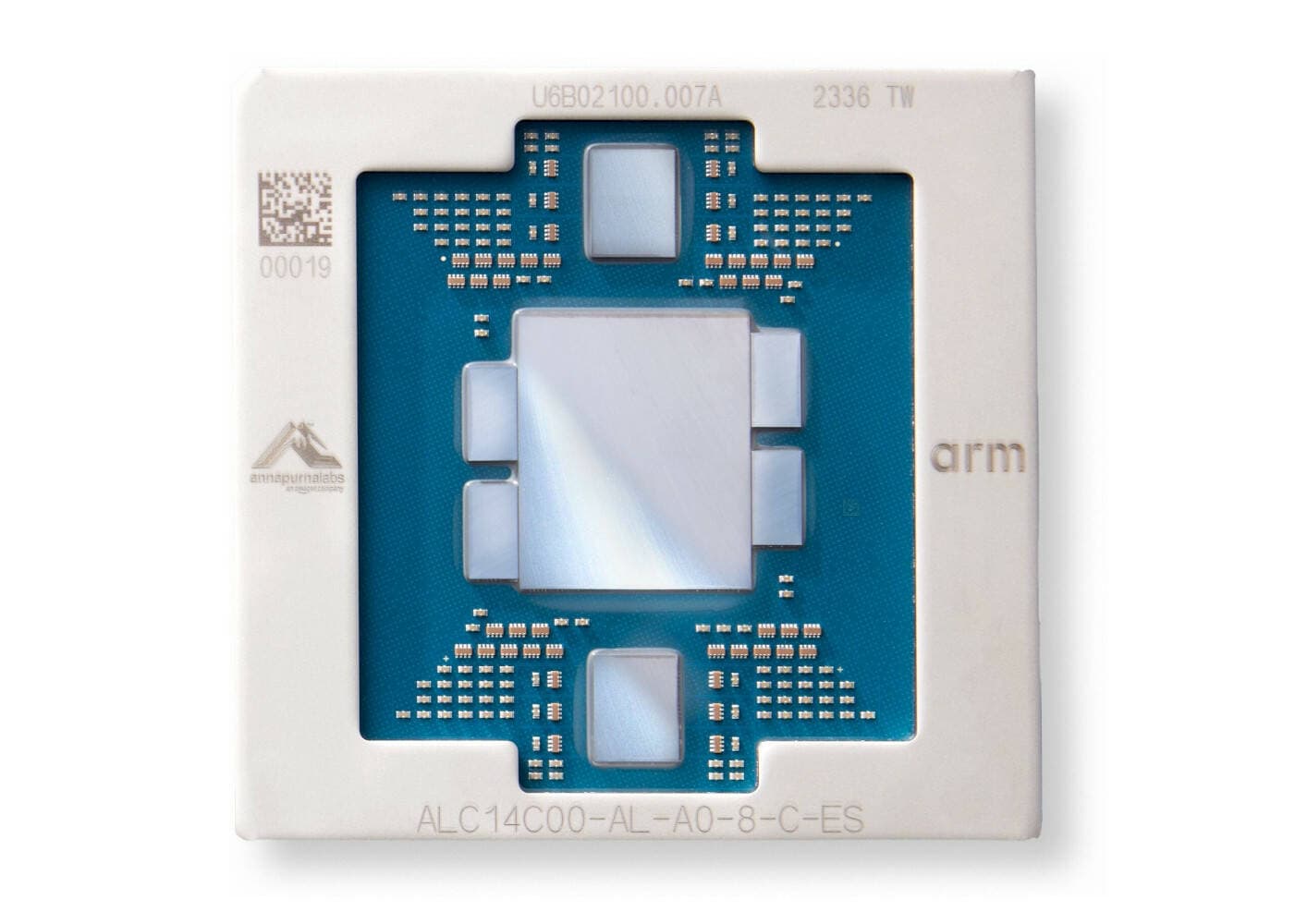
AWS Graviton4 is Amazon's latest Arm-based cloud CPU that integrates tightly with the Nitro security architecture to provide practical confidential computing features with excellent performance-per-dollar and performance-per-watt for cloud-native secure workloads. Compared to on-prem x86 and specialized POWER systems, Graviton4 lowers up-front procurement and operational costs through flexible instance pricing and elastic scaling while providing sufficient hardware acceleration for many enterprise cryptographic needs.
Ampere AmpereOne A192-32X
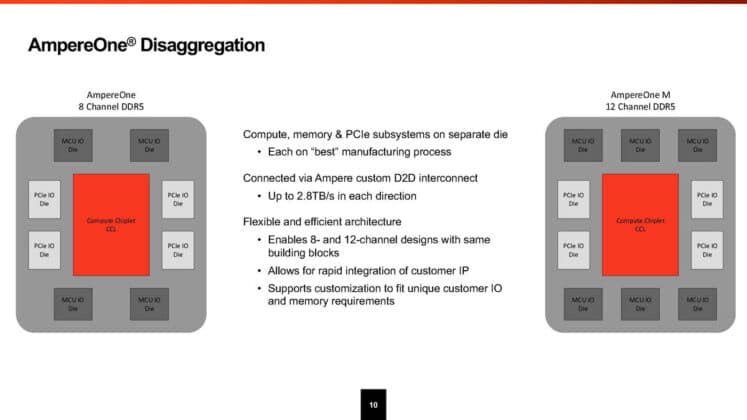
Ampere AmpereOne A192-32X is an Arm-based, high-core-density processor optimized for cloud and telco data centers, combining energy-efficient cores with hardware virtualization and cryptographic acceleration to deliver low cost-per-secured-thread. Against AMD and Intel alternatives it emphasizes scale-out economics and lower power consumption, making it a strong financial and technical choice for massively parallel secure workloads where density and operating expense matter more than single-thread peak performance.
Why Hardware Security Matters: Research and Evidence
Multiple lines of research and industry analysis support the value of hardware-based security features. Studies and white papers from standards bodies, academic research, and cloud providers show that moving critical security functions into silicon reduces the attack surface, improves isolation of sensitive workloads, and can lower the performance cost of encryption and attestation. For teams new to the topic, the short takeaway is that security built into the processor enhances trustworthiness, enables stronger compliance, and supports modern practices like confidential computing without prohibitively degrading throughput.
Hardware isolation reduces exposure to software-layer exploits and limits the blast radius of breaches, as demonstrated in confidential computing evaluations.
Accelerated cryptographic engines in modern processors significantly improve encryption and decryption throughput with minimal CPU overhead, which is supported by vendor benchmarks and independent academic tests.
Memory encryption and integrity features mitigate many classes of physical and remote memory attacks, a benefit highlighted in security lab studies and NIST guidance.
Trusted boot and firmware verification reduce risks from persistent malware and supply chain tampering, aligning with government and industry recommendations for high-assurance environments.
Independent analyses from cloud providers and research institutions confirm that combining hardware security features with strong software controls yields better overall protection than software-only defenses.
Frequently Asked Questions
Which processor is best for latency-sensitive confidential workloads?
Intel Xeon w9-3595X is best for latency-sensitive confidential workloads because it combines Intel hardware security extensions with strong single-thread and crypto throughput, and it has an average rating of 4.7.
What security features does AMD EPYC 9754 support?
AMD EPYC 9754 supports built-in AMD Secure Encrypted Virtualization (SEV) and SEV-SNP for confidential computing and VM isolation, with an average rating of 4.8.
How does AMD EPYC 9754 price compare here?
AMD EPYC 9754 lists at $4,996.96 USDand with that price you get very high core counts with SMT plus built-in SEV/SEV-SNP support, rated 4.8 on average.
Is IBM POWER10 DCM meant for virtualization security needs?
IBM POWER10 DCM is optimized for virtualization and confidential computing at scale in IBM Power Systems, includes pervasive memory encryption and secure boot/key management, and has an average rating of 4.55.
Conclusion
In the USA market for 2026, enterprise security-optimized processors are essential for organizations that must protect sensitive data, meet strict compliance requirements, and sustain high-performance operations. The leading options included on this page address a range of needs: Intel Xeon w9-3595X, AMD EPYC 9754, IBM POWER10 DCM, Intel Xeon 6980P, AMD EPYC 9374F, AWS Graviton4, and Ampere AmpereOne A192-32X. For most on-premises and hybrid deployments seeking a balance of performance, energy efficiency, and comprehensive hardware security features, the AMD EPYC 9754 stands out as the best overall choice. If your priority is cloud-native scale and cost-optimized confidential computing, AWS Graviton4 and Ampere AmpereOne A192-32X are strong alternatives. We hope you found what you were looking for; you can refine or expand your search using the site search to target use cases, performance tiers, or specific security capabilities.