

Top 6K Cinema Cameras 2026: Best High-Resolution Picks in USA
Published on Thursday, February 26, 2026
8K cinema cameras deliver unmatched resolution and clarity, making them the tool of choice for high-end filmmaking, visual effects, and archival work in the United States. Built around advanced full-frame and large-format sensors, modern 8K systems combine exceptional dynamic range, refined color science, and improved low-light performance to capture film-quality images that hold up through heavy grading, stabilization, and reframing. Filmmakers and studio technicians favor 8K for future-proofing projects, enabling extensive post production latitude, precise visual effects compositing, and flexible reframing for multiple aspect ratios. As 8K-capable displays, streaming platforms, and AI-driven upscaling tools become more common, demand in the U.S. market has shifted from novelty to practical investment for professionals and serious enthusiasts who want long-term value, editorial flexibility, and the cleanest possible source material.
Top Picks Summary
RED V-RAPTOR XL 8K VV
The RED V-Raptor XL 8K VV earns a best-in-class spot for its combination of a large-format 8K VV sensor, high-frame-rate capability, and REDCODE RAW workflow that balances image fidelity with manageable file sizes. Compared with Sony and Panavision options it offers a more modular, production-tailored platform and versus the lower-cost Blackmagic and Canon alternatives it delivers higher sustained performance for VFX and high-speed cinema work, though with a premium hardware and ecosystem investment.
![RED V-RAPTOR XL [X] 8K VV (V-Lock) / SYNTEX.CZ](https://cdn.inceptionaiapp.com/products/szrmcc/red-v-raptor-xl-8k-vv-b0bxl52lk5.webp)
Sony VENICE 2 8K
The Sony VENICE 2 8K stands out as a market-leading full-frame 8K cinema camera for its exceptional color science, dual-base ISO performance and broad native lens compatibility favored by high-end cinematographers. In comparison to RED and Panavision rigs it prioritizes image latitude and on-set ergonomics for feature production, and while more expensive than hybrid or broadcast-focused 8K options it often reduces lighting and post costs through its refined image pipeline.
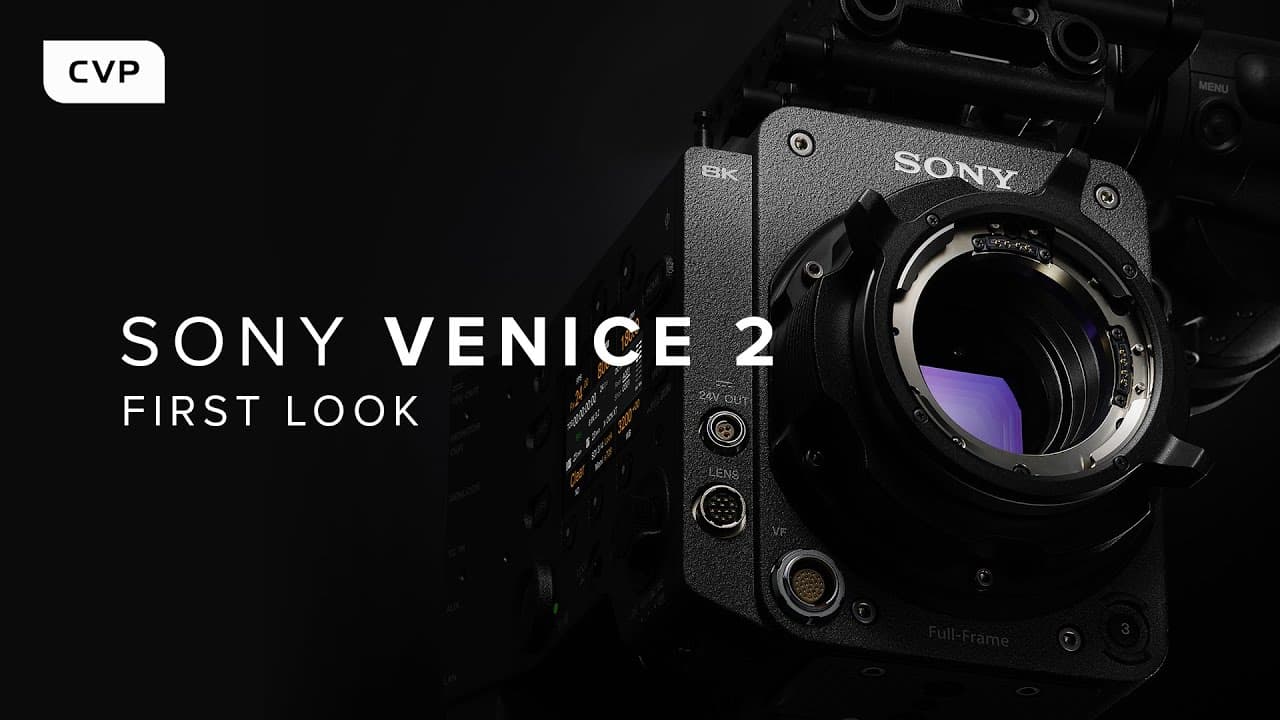
Where to buy Sony VENICE 2 8K in USA: the trusted retailers we track in this market, with the best price we have observed at each. Prices are checked regularly and can change, and the retailer confirms the final price at checkout.
We may earn a commission on purchases. It never affects our rankings.
$58,000.00USD
Canon EOS R5 C
The Canon EOS R5 C is the value-oriented 8K cinema option, delivering internal 8K RAW capture in a compact, mirrorless form that makes high-resolution cinema workflows accessible to solo operators and indie productions. Versus the modular RED and rental-centric Panavision systems it dramatically lowers acquisition cost and simplifies run-and-gun shoots, though it trades some of the professional I/O, thermal endurance and accessory ecosystem expected on flagship cinema bodies.

Blackmagic Design URSA Mini Pro 12K
Blackmagic URSA Cine 12K LF, while offering higher-than-8K resolution, is included as a price-performance market leader for productions that want extreme detail and flexible windowing for 8K deliverables at a lower acquisition cost than many competitors. Compared with the Sony, RED and Panavision offerings it gives creative teams the technical headroom to reframe or downsample to pristine 8K deliverables without the same budgetary hit, though crews should plan for heavier post and storage requirements.

Sharp 8C-B60A 8K Camcorder
The Sharp 8C-B60A 8K Camcorder is the pragmatic choice for broadcast and event workflows, delivering all-in-one 8K capture with integrated optics and streamlined live/UHD pipelines that reduce crew and infrastructure costs. Unlike the modular cinema bodies from RED, Sony and Panavision, Sharp’s camcorder approach minimizes setup time and operational overhead, making it financially and technically attractive to broadcasters and fast-turnaround productions that need proven turnkey 8K capture.
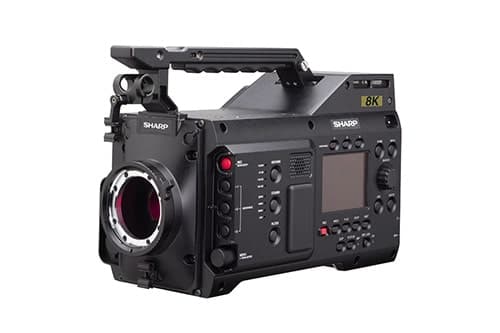
Where to buy Sharp 8C-B60A 8K Camcorder in USA: the trusted retailers we track in this market, with the best price we have observed at each. Prices are checked regularly and can change, and the retailer confirms the final price at checkout.
We may earn a commission on purchases. It never affects our rankings.
$45,000 – $75,000
Panavision Millennium DXL2
The Panavision Millennium DXL2 is the market leader for big-budget cinema, combining RED-based high-resolution sensors with Panavision’s lens ecosystem, color science and full-service rental model that supports large-scale productions. Relative to purchased systems it carries a higher total project cost, but Panavision’s integrated support, calibrated optics and on-set servicing deliver time savings and predictable image results that many studios and cinematographers find worth the premium.

Why 8K Matters: Scientific and Practical Benefits
Several lines of research and industry reports explain why higher pixel counts and modern sensor designs matter for cinema production. Studies on human visual acuity and viewing distance show that higher resolution improves perceived detail on large screens and in immersive formats. Research into sensor architectures, dual gain readout, and advanced color filter arrays demonstrates that higher-resolution sensors can also improve highlight handling, dynamic range, and color fidelity when combined with effective image pipelines. In addition, work on compression algorithms, sensor noise reduction, and AI-based upscaling has reduced the practical storage and delivery burdens that once limited 8K adoption, making high-resolution capture increasingly accessible for professional workflows.
Visual acuity and viewing distance: research supports increased perceived sharpness on large displays and theatrical screens when capture resolution increases, especially for close viewing and large format projection.
Post production and VFX benefits: higher native resolution provides more pixels for stabilization, reframing, keying, and compositing without loss of detail.
Sensor and color science improvements: modern 8K sensors with dual gain and improved micro lenses yield better dynamic range and color accuracy compared with older high-resolution designs.
Storage and compression advances: modern codecs, hardware accelerators, and efficient RAW formats lower storage costs and make 8K workflows practical for production and distribution.
Archival value: higher-resolution master files preserve more information for future remastering, restoration, and format changes.
Frequently Asked Questions
Which camera should I buy for high-end cinema work?
Choose the RED V-Raptor XL 8K VV if you want a Vista Vision 8K VV large-format sensor plus REDCODE RAW workflows and high-frame-rate capability, rated 4.8, for robust heavy production builds.
What exact sensor and recording workflow does RED V-Raptor XL 8K VV use?
The RED V-Raptor XL 8K VV uses a Vista Vision 8K VV large-format sensor and captures with REDCODE RAW, with high-frame-rate capability for cinematic depth and detail.
Is Canon EOS R5 C worth it compared to other 8K cinema cameras?
The Canon EOS R5 C lists at $2,999.00 USDand offers internal 8K RAW recording in a compact mirrorless cinema form factor, rated 4.5, making it a lower-cost entry than the other listed options.
Does Sony VENICE 2 8K support external recording and mounts?
Sony VENICE 2 8K is modular with extensive I/O for studio and on-location builds, and it supports high-quality codecs like X-OCN/RAW workflows with external recording, rated 4.7.
Conclusion
8K cinema cameras represent the leading edge of image capture for filmmakers in the United States, and the top choices for 2026 each bring distinct strengths. The RED V-Raptor XL 8K VV stands out as the best overall choice for most high-end productions due to its combination of resolution, workflow ecosystem, and modularity. The Sony VENICE 2 8K is prized for its cinematic color rendering and established studio workflows. The Canon EOS R5 C gives hybrid shooters a compact 8K option for run-and-gun and scripted projects. The Blackmagic URSA Cine 12K LF offers an ultra-high-resolution alternative with strong value for effects-heavy productions. The Sharp 8C-B60A 8K Camcorder excels in integrated broadcast and live event environments. The Panavision Millennium DXL2 remains a top pick for studio and feature work with deep support for production-scale lens and camera systems. We hope you found the information you were looking for; you can refine or expand your search to compare specifications, rental options, or lenses to narrow down the ideal camera for your next project.