

Best Full-frame Cinema Cameras 2026 — Top 7 Picks in USA
Published on Thursday, February 26, 2026
As 2026 unfolds, full-frame cinema cameras continue to lead the market for filmmakers and content creators across the USA. These cameras deliver a cinematic look through larger sensors that improve low-light performance, increase dynamic range, and produce pleasing shallow depth of field. Buyers favor full-frame cinema bodies for narrative films, documentaries, commercials, and high-end streaming because they provide superior image quality, broad lens compatibility, and flexible frame rate and codec options. Recent market trends show growing demand for compact, lightweight systems that still offer professional codecs and high-resolution capture, making high-quality production more accessible to independent creators and rental houses alike. Features such as advanced autofocus, high dynamic range capture, and refined color science are now expected, and manufacturers are responding with models that balance performance, ergonomics, and price. In the USA market, that combination of capability and versatility is driving adoption among solo creators, small crews, and established production companies.
Top Picks Summary
Sony FX6
The Sony FX6 is a compact yet powerful camera that merges portability and performance for filmmakers on the go. Its full-frame sensor produces breathtaking imagery along with effortless autofocus and subject tracking. This lightweight design does not compromise on features, offering 4K recording and an extensive range of connectivity options. Its intuitive controls and efficient workflow make the FX6 an ideal choice for professional video production in diverse environments.

Sony FX3
Sony FX3 is Sony's compact, cinema-oriented full-frame camera that blends Alpha-series low-light performance and reliable autofocus with a lightweight, run-and-gun body. It earns its place for solo operators and small crews by offering an outstanding price-to-portability ratio compared with the higher-cost BURANO and Canon C400, while conceding some advanced I/O and internal recording flexibility to the Blackmagic 6K Full Frame. For full-frame cinema use cases where budget, mobility and dependable AF matter most, the FX3 is the practical, cost-effective choice.

Canon EOS R5 C
The Canon EOS R5 C is a groundbreaking hybrid camera combining the best features of still photography and motion capture. With impressive 8K video recording and superior autofocus capabilities, it provides versatility for a wide range of creators. This camera's compact and lightweight build makes it ideal for handheld shooting and dynamic setups. Canon's renowned color science ensures that filmmakers and photographers alike can achieve their desired aesthetic with ease.

Sony BURANO
Sony BURANO is Sony's flagship full-frame cinema camera delivering an advanced sensor, expanded dynamic range and comprehensive pro I/O aimed at high-end production. It stakes a market-leader position through a premium image pipeline, superior monitoring/recording options and deep ecosystem integration compared with the more compact FX3 and the value-oriented Blackmagic 6K FF, though it occupies a similar premium tier to Canon's C400. For productions that require top-tier Sony autofocus, modularity and end-to-end workflow compatibility in a full-frame cinema body, BURANO represents the high-end technical choice.
Blackmagic Cinema Camera 6K Full Frame
Blackmagic Cinema Camera 6K Full Frame is the value leader that pairs a true 6K full-frame sensor with efficient Blackmagic RAW recording at a price point well below the premium Sony and Canon offerings. Its chief advantage is delivering maximum resolution and raw workflow flexibility per dollar compared with the BURANO and C400, although it trades away some of Sony's advanced autofocus, audio/I/O conveniences, and certain high-end integration features. For projects where image quality per budget and internal RAW capability are the priority within the full-frame cinema category, this Blackmagic model is the market-leading budget pick.

Canon EOS C400
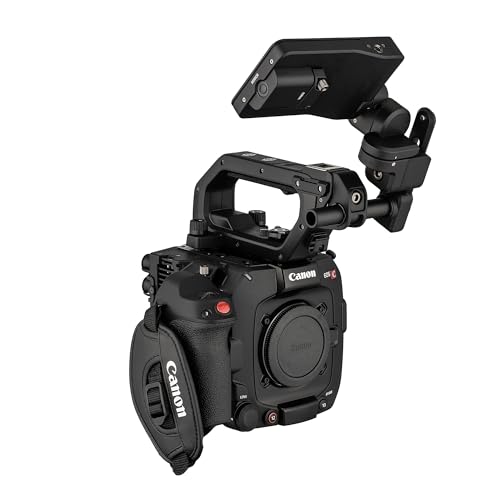
Canon EOS C400 is Canon's professional full-frame cinema camera emphasizing renowned Canon color science, proven ergonomics and robust pro workflows for broadcast and feature production. It stands out for its color fidelity and expansive lens ecosystem compared with Sony's different color rendering and Blackmagic's more price-driven approach, and it typically competes at the same premium tier as Sony's BURANO in cost and target users. For cinematographers who prioritize dependable color reproduction, lens compatibility and camera-to-post consistency in a full-frame cinema package, the C400 is the market-leading creative option.
ARRI ALEXA Mini LF
The ARRI ALEXA Mini LF is renowned for its exceptional image quality and versatility. With a large-format sensor and ARRI's signature color science, this camera excels in capturing cinematic imagery with stunning detail and dynamic range. Its lightweight and compact design allow for easy handling in various shooting environments. Coupled with a wide array of accessories, it offers unparalleled customization for filmmakers seeking creativity in their projects.

Where to buy ARRI ALEXA Mini LF in USA: the trusted retailers we track in this market, with the best price we have observed at each. Prices are checked regularly and can change, and the retailer confirms the final price at checkout.
We may earn a commission on purchases. It never affects our rankings.
$70,000 – $80,000
Research-backed benefits of full-frame cinema cameras
Imaging science and industry testing consistently show that larger sensors yield practical advantages for motion picture capture. Studies and lab tests from imaging labs, trade organizations, and independent reviewers have documented improvements in signal-to-noise ratio, dynamic range, and color fidelity as sensor size and pixel design are optimized. These benefits translate to cleaner low-light performance, greater highlight and shadow detail, and more flexibility in grading. Practical tests by camera reviewers and organizations such as SMPTE and independent labs also demonstrate that modern full-frame cinema designs, paired with efficient codecs and good color pipelines, can shorten production time while preserving image quality.
Larger sensors typically improve signal-to-noise ratio, resulting in cleaner images at higher ISOs and better low-light performance.
Greater dynamic range recorded by modern full-frame sensors preserves highlight and shadow detail, giving editors and colorists more latitude in post production.
Shallow depth of field and wider field of view from full-frame sensors help achieve a cinematic aesthetic more easily than smaller sensor formats.
Independent lab tests and reviewer comparisons show that sensor design, pixel architecture, and processing pipeline are as important as sensor size for final image quality.
Advancements in autofocus, stabilization, and on-board codecs make full-frame cinema cameras more usable for single operators and small crews.
Frequently Asked Questions
Which camera should I buy for handheld solo work?
Pick the Sony FX3 at $4,298.00 USDwith a lightweight, cinema-oriented full-frame body for solo operators, and it includes an active cooling design for long takes plus built-in XLR handle support.
Does the Sony FX3 support 4K 120fps video?
Yes—the Sony FX3 is listed with 4K up to 120fps, plus S-Cinetone color, and it’s rated 4.7 based on the provided information.
Why is the Canon EOS R5 C cheaper than Sony FX6?
The Canon EOS R5 C costs $2,999.00 USDversus the Sony FX6 at $6,998.00 USDwhile the R5 C offers up to 8K video recording and excellent autofocus.
What warranty duration comes with the Canon EOS R5 C?
The provided listing for the Canon EOS R5 C at $2,999.00 USDincludes features like up to 8K video recording and excellent autofocus, but it does not state any warranty duration.
Conclusion
In the USA market for 2026, the seven full-frame cinema cameras we highlight each serve distinct needs: the Sony FX6 and Sony FX3 deliver compact, video-first performance; the Canon EOS R5 C and Canon EOS C400 bring Canon color science and system depth; the Sony BURANO balances cinematic image quality with modern ergonomics and is our best overall choice for most filmmakers; the Blackmagic Cinema Camera 6K Full Frame offers excellent resolution and value; and the ARRI ALEXA Mini LF remains the gold standard for top-tier productions. We hope this list helped you find the right full-frame cinema camera for your project. If you want to refine or expand your search, use the search tools to filter by price, resolution, lens mount, or intended workflow.