

Top 6 High-Temperature FDM 3D Printers in the USA for 2026
Published on Thursday, February 26, 2026
High-temperature FDM 3D printers are specially engineered to process advanced thermoplastics that require elevated extrusion and chamber temperatures. These systems enable reliable printing of materials such as PEEK, PEI (Ultem), and other high-performance polymers used in aerospace, automotive, defense, and medical device prototyping and low-volume production. In the USA market, demand for high-temperature FDM has grown as manufacturers and makers prioritize parts with superior strength, thermal stability, and chemical resistance. Buyers in industrial and regulated sectors increasingly prefer enclosed, actively heated build chambers, hardened hotends and extrusion paths, certified material libraries, and service networks that deliver repeatable results and traceable processes. That combination of capability, support, and material access is making high-temperature FDM a practical complement to traditional manufacturing for functional parts, tooling, and high-value prototypes.
Top Picks Summary
Intamsys Funmat HT Enhanced
The Intamsys Funmat HT Enhanced is a pioneering industrial-grade 3D printer that excels in high-temperature printing applications. It features an advanced multi-zone heated chamber, enabling the use of high-performance materials like PEEK and ULTEM. Its robust construction and user-friendly interface make it suitable for both beginners and professionals looking to create intricate designs. This printer stands out due to its ability to maintain precise temperature control while ensuring excellent print quality.

Where to buy Intamsys Funmat HT Enhanced in USA: the trusted retailers we track in this market, with the best price we have observed at each. Prices are checked regularly and can change, and the retailer confirms the final price at checkout.
We may earn a commission on purchases. It never affects our rankings.
$5,000 – $6,000
AON3D M2+
The AON3D M2+ is a cutting-edge 3D printer optimized for engineering-grade materials, including PEEK, which makes it a top choice for professionals in the aerospace and medical sectors. Its large build volume and heated build chamber allow for the production of complex parts while reducing warping. The M2+ is known for its reliability and customizable features, setting it apart from competitors in the same category. With a strong focus on precision, AON3D has positioned this printer as a leader in high-performance 3D printing.
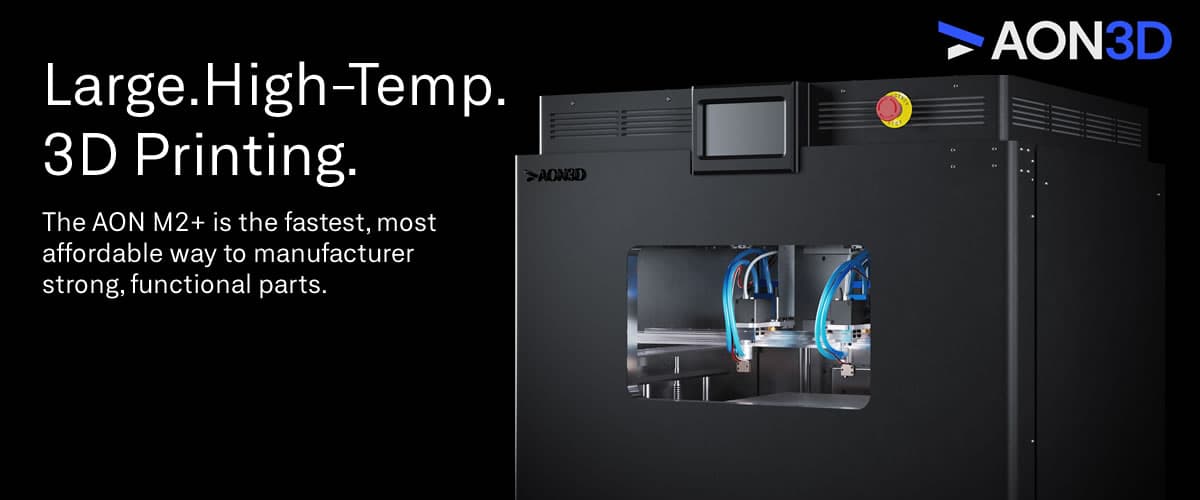
Where to buy AON3D M2+ in USA: the trusted retailers we track in this market, with the best price we have observed at each. Prices are checked regularly and can change, and the retailer confirms the final price at checkout.
We may earn a commission on purchases. It never affects our rankings.
$4,000 – $5,000
Raise3D E2CF
The Raise3D E2CF is designed specifically for printing carbon fiber and composite materials, making it a standout choice for professionals seeking durability and precision in their prototypes. Its dual-extrusion system allows for multi-material printing while maintaining an efficient workflow. The enclosed build chamber ensures optimal printing conditions, enhancing material adhesion and reducing print failures. This printer caters to engineers and designers looking for versatility and high performance in industrial additive manufacturing.

CreatBot F1000
The CreatBot F1000 is a notable 3D printer known for its ability to handle large prints with high precision, making it ideal for industrial applications. It features a robust all-metal construction and a dual extruder system that provides exceptional flexibility in material choice. The printer's high-temperature nozzle allows for the use of advanced filaments, such as nylon and carbon fiber, pushing the limits of what's achievable in desktop 3D printing. Its reliability and large build volume make it a favorite among serious makers and professionals alike.
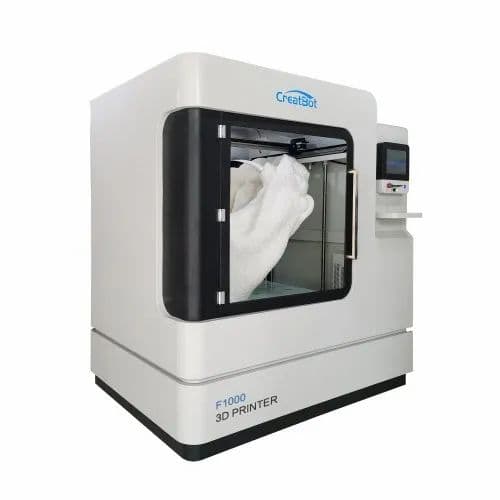
Where to buy CreatBot F1000 in USA: the trusted retailers we track in this market, with the best price we have observed at each. Prices are checked regularly and can change, and the retailer confirms the final price at checkout.
We may earn a commission on purchases. It never affects our rankings.
$1,500 – $2,000
Ultimaker S7 Pro Bundle
The Ultimaker S7 is Ultimaker's professional desktop platform that brings reliable high-temperature FDM capability to design and engineering teams, striking a balance between industrial performance and approachable total cost of ownership. Compared with the Roboze Argo 500 it delivers lower capital and operating expenses, a more polished software/material ecosystem and faster integration into office or lab workflows, while trading off the extreme nozzle and chamber temperatures required for some aerospace-grade thermoplastics.

Roboze Argo 500
The Roboze Argo 500 is a purpose-built industrial high-temperature FDM system engineered to print continuous production parts from ultra-high-performance thermoplastics with extrusion and chamber capabilities up to 500°C, making it best-in-class for PEEK, PEKK and similarly demanding materials. It outmatches the Ultimaker S7 on maximum processing temperatures, material certification potential and long-run reliability for regulated applications, though this capability comes with a substantially higher initial investment and operating cost that organizations must justify by material or qualification needs.
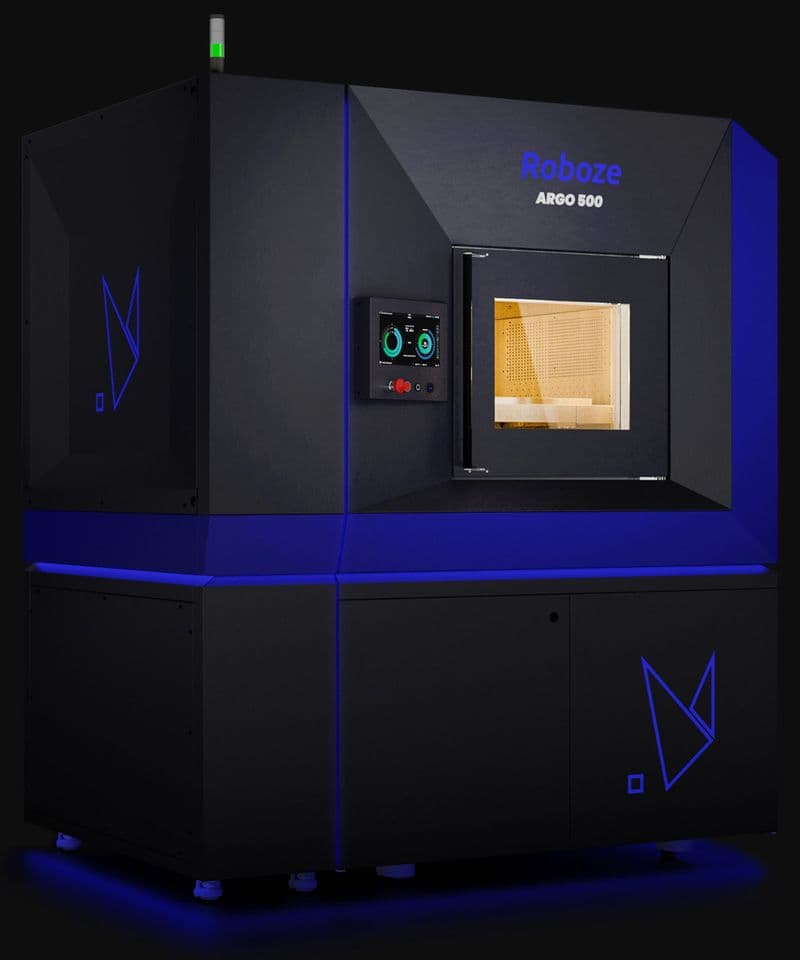
Where to buy Roboze Argo 500 in USA: the trusted retailers we track in this market, with the best price we have observed at each. Prices are checked regularly and can change, and the retailer confirms the final price at checkout.
We may earn a commission on purchases. It never affects our rankings.
$70,000 – $120,000
Why high-temperature FDM improves part performance
Research and industry experience show that printing advanced thermoplastics at appropriate melt and chamber temperatures improves interlayer bonding, crystallinity, and dimensional stability. That yields parts with higher tensile strength, better fatigue resistance, and improved long-term thermal performance compared with prints made at lower temperatures or without controlled environments. Studies from materials science and application notes from aerospace and medical suppliers consistently recommend controlled extrusion temperatures, heated build chambers, and post-print thermal treatments to achieve optimum mechanical properties when processing PEEK and PEI.
Improved interlayer adhesion: Higher nozzle and chamber temperatures promote fusion between layers, reducing delamination and increasing tensile strength.
Increased crystallinity: Controlled heating and annealing enhance the crystalline phase in semi-crystalline polymers like PEEK, improving stiffness and thermal resistance.
Material suitability: PEEK and PEI offer high heat resistance and chemical stability when printed correctly, making them suitable for aerospace, automotive, and medical applications.
Hardware requirements: Hardened nozzles, high-temperature hotends, and reliable chamber heating are required to avoid wear and maintain consistent extrusion.
Process control: Repeatable part performance depends on validated print profiles, material traceability, and environmental control during printing and cooling.
Frequently Asked Questions
Which high-temperature FDM printer fits PEEK printing best?
Choose the Intamsys Funmat HT Enhanced for high-temperature materials like PEEK and ULTEM, with a closed chamber design that helps maintain temperature control; it’s rated 4.7 and supports high-temp materials, large build volume, and a multi-zone heated chamber.
Does Raise3D E2CF support composites and dual extrusion?
Yes—Raise3D E2CF includes an upgraded hotend to handle composites and a dual-extrusion system with a dual gear extruder for high precision; it’s rated 4.4 and features a user-friendly touchscreen interface.
How does the Raise3D E2CF price compare here?
Raise3D E2CF is listed at $3,999.00 USDand includes upgraded hotend support for composites plus a dual-extrusion system and dual gear extruder for high precision; it also has a user-friendly touchscreen interface and a 4.4 average rating.
What warranty duration is provided for Intamsys Funmat HT Enhanced?
Warranty duration isn’t provided for the Intamsys Funmat HT Enhanced in the given details; the available specs are a closed chamber design, large build volume, and high-temp material support, with an average rating of 4.7.
Conclusion
If you are evaluating high-temperature FDM options in the USA, this list highlights six standout machines to consider: Intamsys Funmat HT Enhanced, AON3D M2+, Raise3D E2CF, CreatBot F1000, UltiMaker S7, and Roboze Argo 500. Each model addresses different needs: the Intamsys Funmat HT Enhanced delivers a strong balance of high-temp capability and accessibility, the AON3D M2+ is built for industrial-grade material flexibility, the Raise3D E2CF focuses on carbon-fiber reinforced workflows, the CreatBot F1000 offers large-format high-temperature printing, the UltiMaker S7 provides reliable engineering plastic performance in more conventional workflows, and the Roboze Argo 500 stands out as the best overall choice for demanding industrial applications that require maximum temperature range, stiffness, and repeatable results. We hope you found what you were looking for. You can refine or expand your search using the search function to compare specifications, supported materials, and service options.