

Eye Wash Solutions — Top 7 Options in the USA for 2026
Published on Tuesday, January 27, 2026
Eye wash solutions are emergency and first aid products designed to rinse the eyes, remove contaminants, soothe irritation, and reduce the risk of injury after exposure to foreign particles, chemicals, or irritants. In the United States market, shoppers prioritize sterile, pH-balanced, isotonic solutions that are easy to use and meet workplace safety standards. Consumers and organizations choose products that emphasize quick deployment, single-use sterility or reliable multi-use hygiene, compatibility with eyewash stations, and clear labeling. Recent market trends favor preservative-free formulas for sensitive eyes, portable single-dose options for first aid kits, and compliance with occupational safety guidance such as OSHA recommendations and ANSI Z358.1 eyewash standards. These factors make eye wash solutions appealing across industries including healthcare, manufacturing, construction, education, and household first aid.
Top Picks Summary
Bausch + Lomb Advanced Eye Relief Eye Wash
Bausch + Lomb Advanced Eye Relief Eye Wash earns a best-in-class spot for consumer sterile rinsing because of its buffered, isotonic formulation and the brand's long ophthalmic history, offering gentler symptom relief than basic saline. Compared with industrial units like the Honeywell Eyesaline and value generics from CVS or First Aid Only, it commands a modest premium but provides clinician-trusted formulation and wider retail availability for personal emergency and daily eye-care use.

Visine Dry Eye Relief Lubricant Eye Drops
Visine Dry Eye Relief is a market-leading lubricant drop prized for fast, low-cost symptomatic relief and broad consumer recognition; it’s optimized for intermittent dryness rather than irrigation. Versus true eye wash solutions and industrial flush systems, Visine is far more portable and inexpensive but is not appropriate for chemical or particulate decontamination, making it a complementary product for everyday comfort rather than emergency flushing.

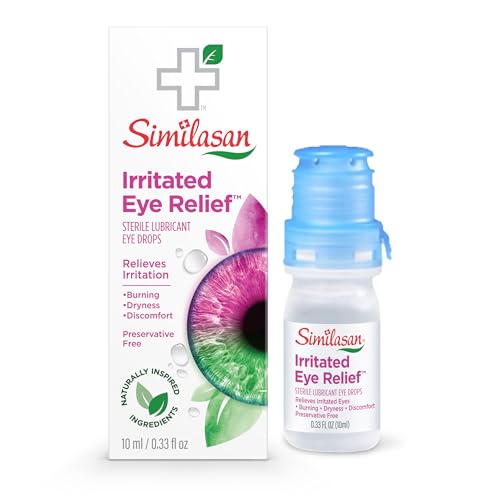
Similasan Irritated Eye Relief Drops
Similasan Irritated Eye Relief positions itself as a gentle, homeopathic alternative for users seeking preservative-free, natural-feel drops, appealing to those with sensitivity concerns. Financially it can be competitive with other over-the-counter drops, but compared with clinical-grade washes like Bausch + Lomb or industrial stations like Honeywell, it is not intended for emergency irrigation and should be treated as a symptomatic care option rather than a decontamination solution.
Honeywell Eyesaline Emergency Eye Wash Station
Honeywell Eyesaline Emergency Eye Wash Station is the market leader for workplace decontamination, offering ANSI-compliant, high-volume continuous flow and durability needed for chemical exposures. Technically and financially it differs from portable bottles and retail drops by representing a capital safety investment—higher upfront cost but essential for compliance and rapid, copious irrigation in industrial or lab settings where single-dose solutions are insufficient.

CVS Health Sterile Eye Wash Solution
CVS Health Sterile Eye Wash Solution is a widely available, cost-effective option for first-aid kits and households, offering sterile saline rinses at accessible price points. While it lacks the branded ophthalmic enhancements of Bausch + Lomb or the industrial capacity of Honeywell stations, its affordability and pharmacy distribution make it an economical choice for routine eye flushing and minor contamination incidents.
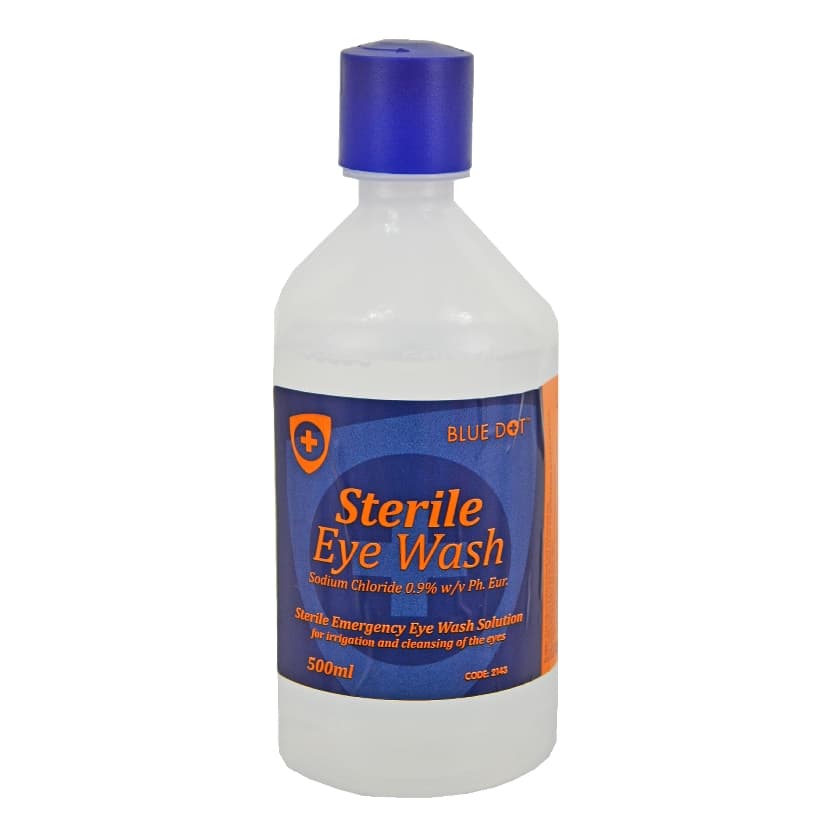
First Aid Only PhysiciansCare Eye Flush Solution
First Aid Only PhysiciansCare Eye Flush Solution targets first responders and organizations needing reliable, sterile eye rinse in bulk or kit-compatible packaging, balancing capacity and price for emergency preparedness. Compared to single-use retail options, it often offers better volume-per-dollar and practical packaging for workplace first-aid stations, but it does not replace fixed emergency eyewash stations required for high-risk environments.

Refresh Optive Lubricant Eye Drops
Refresh Optive Lubricant Eye Drops are a technical leader among dry-eye lubricants, featuring multi-action formulations (osmoprotectants and lipid support) to extend relief beyond basic artificial tears. Financially positioned above generic lubricants like Visine but below specialized clinical treatments, Refresh Optive is ideal for chronic dry-eye management rather than emergency irrigation, complementing sterile washes and industrial stations rather than substituting them.

What Research and Guidance Say About Eye Wash Benefits
Scientific evidence and safety guidance consistently support immediate eye irrigation to reduce damage and improve outcomes after exposure to contaminants or chemicals. Professional organizations and regulatory bodies provide practical recommendations about when and how to irrigate the eye, and clinical literature shows that prompt flushing with sterile isotonic or buffered solutions lowers the risk of corneal injury and infection. Evidence also highlights the importance of sterile, preservative-free options for sensitive eyes and single-use packaging to reduce contamination when frequent or emergency access is required.
Immediate irrigation reduces severity of chemical and particulate eye injuries and improves healing outcomes.
Sterile isotonic saline or buffered solutions are generally effective at diluting contaminants without damaging ocular tissue.
Preservative-free formulations are preferred for repeated or prolonged irrigation to avoid added irritation.
Single-use, sterile eyewash bottles lower cross-contamination risk compared with poorly maintained multiuse containers.
Workplace guidance from OSHA and ANSI Z358.1 emphasizes rapid access to approved eyewash equipment and proper maintenance.
Frequently Asked Questions
Which eye wash should I buy for frequent rinsing?
Choose Bausch + Lomb Advanced Eye Relief Eye Wash if you need a sterile, buffered isotonic eyewash in squeeze bottles, rated 4.6, priced at $14.97 USDfor rinsing away debris and irritants.
What exact formulation does Bausch + Lomb Advanced Eye Wash use?
Bausch + Lomb Advanced Eye Relief Eye Wash is a sterile saline eyewash with a buffered, gentle isotonic formulation, rated 4.6, listed for $14.97 USDusing user-friendly squeeze bottles for controlled flushing.
Is Visine Dry Eye Relief cheaper than the eye wash?
Yes—Visine Dry Eye Relief Lubricant Eye Drops cost $17.57 USDversus Bausch + Lomb Advanced Eye Relief Eye Wash at $14.97 USDand Visine’s rated 4.6 is intended for temporary moisture relief, not irrigation.
Who might prefer Similasan Irritated Eye Relief drops?
Similasan Irritated Eye Relief Drops are preservative-free, homeopathic-based drops marketed for minor irritation and redness, rated 4.0, priced at $14.97 USDand aimed at sensitive-eye users.
Conclusion
Eye wash solutions remain an essential part of first aid and workplace safety across the United States. We hope this overview helped you understand the category and what matters when choosing a product. If you did not find what you were looking for, you can refine or expand your search using the site search to filter by use case, formulation, or compliance features.