Cars in the USA: 2026 Guide (Top 5 Options)
Published on Monday, January 26, 2026
The cars category in the USA covers a broad range of passenger vehicles, from compact sedans and crossovers to full-size SUVs, pickup trucks, hybrids, and battery electric vehicles (EVs). By 2026, American consumers prioritize safety, fuel efficiency, lower operating costs, technology and connectivity, and environmental impact. Trends driving appeal include rising EV adoption thanks to improving range and expanding charging infrastructure, the continued popularity of SUVs and crossovers for their space and versatility, and growing interest in advanced driver assistance systems and over-the-air software updates. Price sensitivity, total cost of ownership, resale value, and available incentives also shape buying decisions across regions and buyer profiles. This category page organizes those priorities to help shoppers understand what matters when comparing cars in the USA market in 2026.
Top Picks Summary
Toyota Camry
The Toyota Camry earns its best-in-class spot among cars for mainstream buyers due to its long-standing reputation for reliability, strong resale value, and fuel-efficient powertrains that keep total ownership costs low. Compared with the Honda Accord’s sportier character, the Ford F-150’s truck capability, Tesla Model Y’s electric efficiency, and Chevrolet Equinox’s SUV practicality, the Camry is the conservative, cost-effective choice that minimizes financial risk for typical car buyers.

Honda Accord
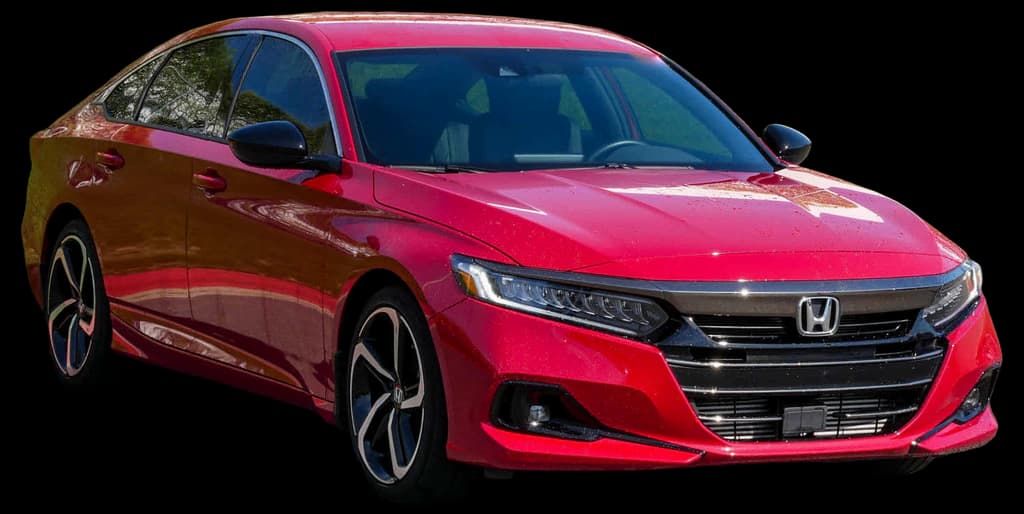
The Honda Accord stands out in the car segment for delivering an engaging driving experience, roomy interior, and advanced safety technology while remaining competitively efficient and affordable. Versus the Camry’s emphasis on long-term dependability, the Accord leans toward a more athletic chassis and value proposition that competes favorably on ownership costs against trucks like the F-150, EVs like the Model Y, and compact SUVs such as the Equinox.
Ford F-150
The Ford F-150 is the market leader for buyers who need full-size pickup capability, offering class-leading towing, payload, and a broad powertrain lineup—including efficient hybrids and the electric F-150 Lightning—making it uniquely versatile for both work and daily driving. In the broader cars market this list covers, the F-150 delivers unmatched utility and often stronger resale value than sedans or compact SUVs, trading off fuel economy and urban maneuverability for capability.

Tesla Model Y
The Tesla Model Y leads the electric crossover segment among cars by offering industry-leading range, brisk acceleration, and an over-the-air software ecosystem that can reduce long-term operating costs compared with traditional combustion models. Although its upfront price is typically higher than the Camry, Accord, or Equinox, the Model Y’s lower energy and maintenance expenses and continuous feature updates distinguish it from gasoline trucks like the F-150 and conventional SUVs.

Chevrolet Equinox
The Chevrolet Equinox is the value-oriented compact SUV choice for car buyers seeking a practical, affordable crossover with a comfortable cabin and straightforward tech features. Compared with sedans such as the Camry and Accord, the Equinox provides more cargo flexibility, and versus the Model Y and F-150 it offers a lower entry price and simpler ownership experience without the premium for electrification or heavy-duty capability.

Research Insights: Why these factors matter
Scientific research and government studies help explain why safety, emissions, fuel efficiency, and new vehicle technologies matter for drivers and communities. Publicly available crash-test programs, lifecycle emissions analyses, air quality research, and transportation energy studies provide consistent guidance that buyers can use to evaluate vehicle choices beyond brand and styling. Below are accessible summaries of the most relevant findings from reputable sources that inform smart car buying.
Safety ratings: Crash-test programs from the Insurance Institute for Highway Safety (IIHS) and the National Highway Traffic Safety Administration (NHTSA) use standardized tests to show how vehicles perform in real-world collisions. High ratings are correlated with lower occupant injury and fatality rates.
Emissions and climate impact: Lifecycle analyses by organizations such as the International Council on Clean Transportation and academic studies indicate that electric vehicles typically produce lower greenhouse gas emissions than conventional gasoline vehicles over their lifetimes in many U.S. regions, especially as grid electricity becomes cleaner.
Air quality and public health: Research reviewed by the Environmental Protection Agency and public health groups shows that reducing tailpipe pollutants improves local air quality and lowers respiratory and cardiovascular risks, particularly in urban areas.
Fuel economy and cost savings: EPA fuel economy labels and Department of Energy data demonstrate that higher miles per gallon or greater MPGe for EVs and hybrids translates into measurable savings on fuel or electricity costs over ownership.
Charging and infrastructure studies: Reports from the National Renewable Energy Laboratory and industry analyses highlight that expanding public and home charging infrastructure reduces range anxiety and increases the practical adoption of electric vehicles.
Driver assistance and safety tech: Peer-reviewed research on advanced driver assistance systems finds that features like automatic emergency braking and lane-keeping assistance reduce certain crash types, although driver engagement and proper use remain essential.
Battery lifecycle and recycling: Ongoing research from national labs and universities supports improved battery longevity, second-life applications, and recycling processes that reduce environmental and material supply concerns.
Frequently Asked Questions
Which car should I buy for reliable commuting?
Choose the Toyota Camry for reliable daily commuting, since it’s rated 4.6 and offers fuel-efficient four-cylinder and hybrid options with a spacious, comfortable interior.
Does the Ford F-150 come with hybrid and electric?
Yes—the Ford F-150 includes multiple powertrains, including hybrid and electric options, plus V6 and V8 choices and tech like Pro Power Onboard.
Is the Toyota Camry better value than an Accord?
The Toyota Camry lists for $11.99 USDwith a 9% discount and a 4.6 rating; the Honda Accord has a 4.5 rating but no price is provided.
Which car has an available hybrid model option?
The Honda Accord offers an available hybrid model for excellent fuel economy, and it’s rated 4.5; no warranty duration is listed for any of these cars.
Conclusion
This page frames the cars category for the USA in 2026 and highlights the main factors buyers consider when comparing vehicles. We hope you found the overview useful. If you want to refine results or explore specific vehicle types, features, price ranges, or electric models, use the search or filters to narrow or expand your options.